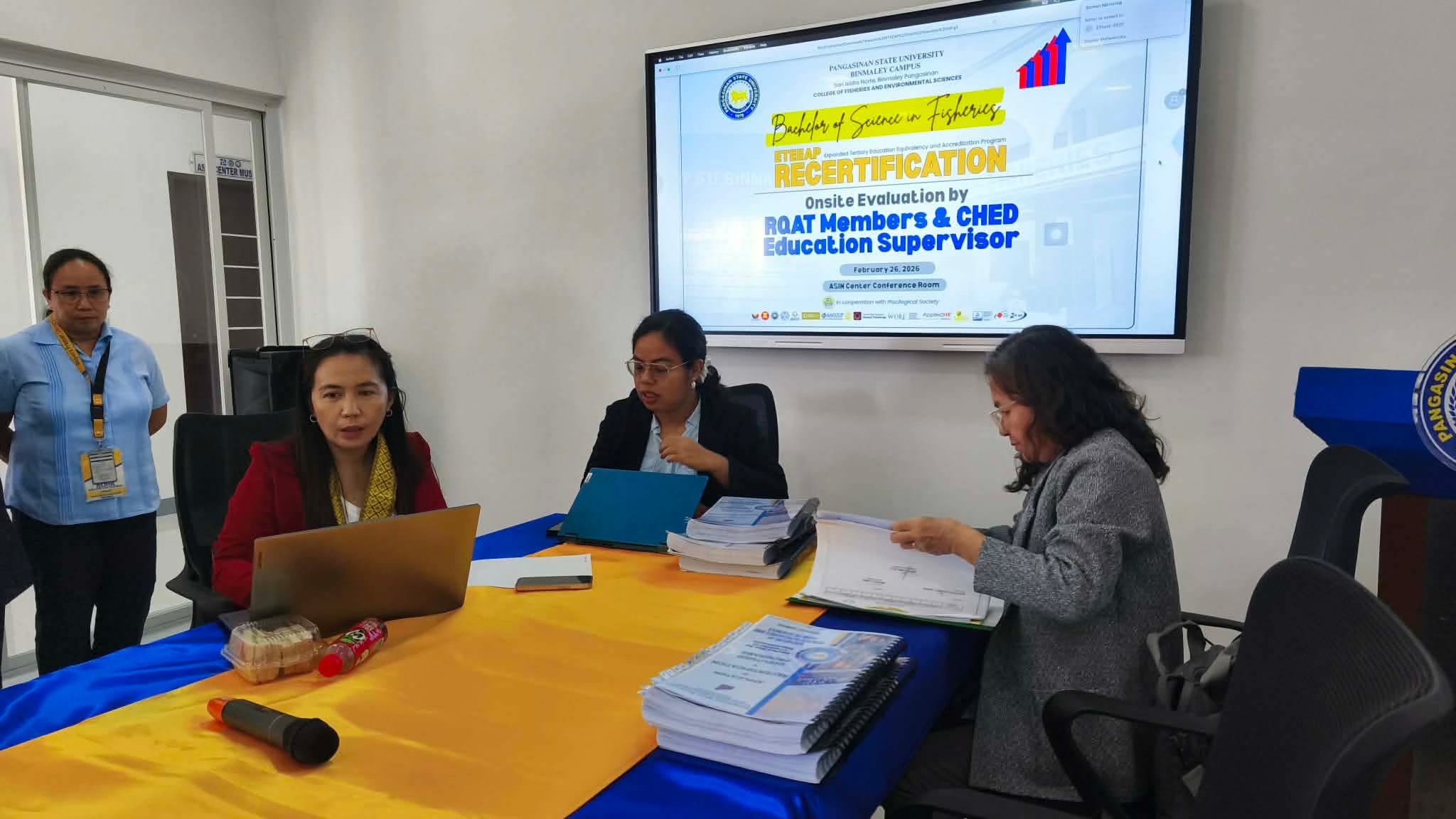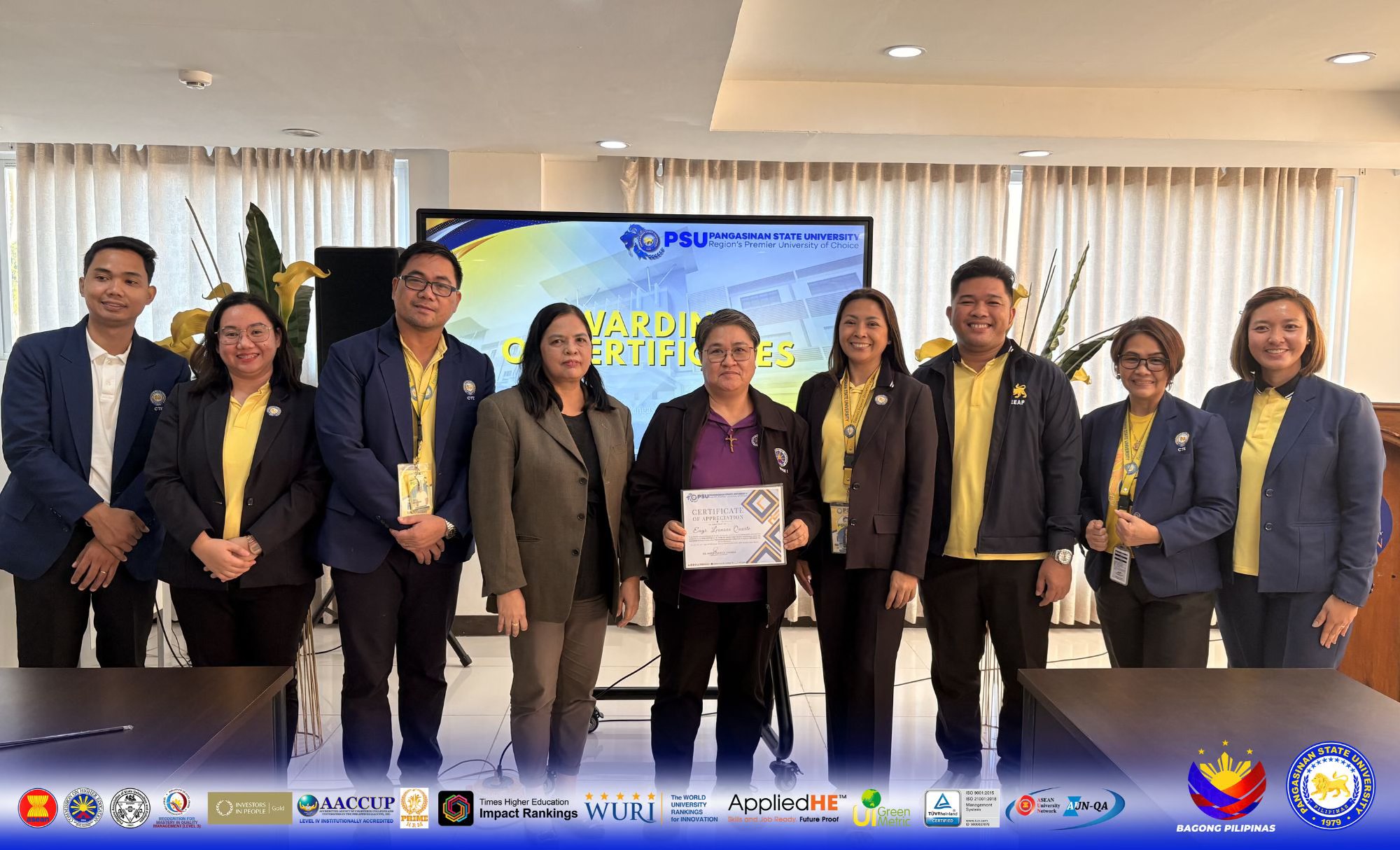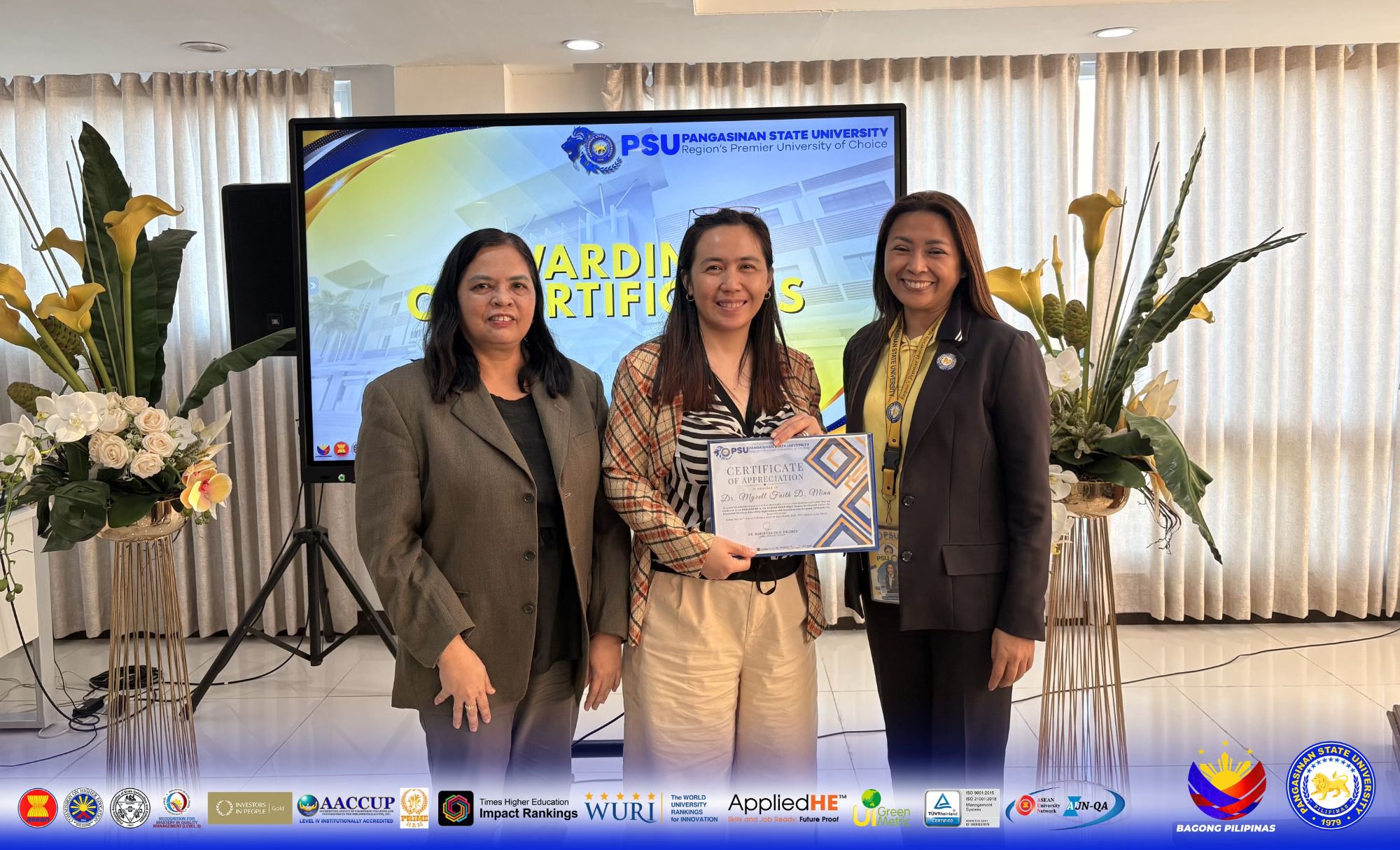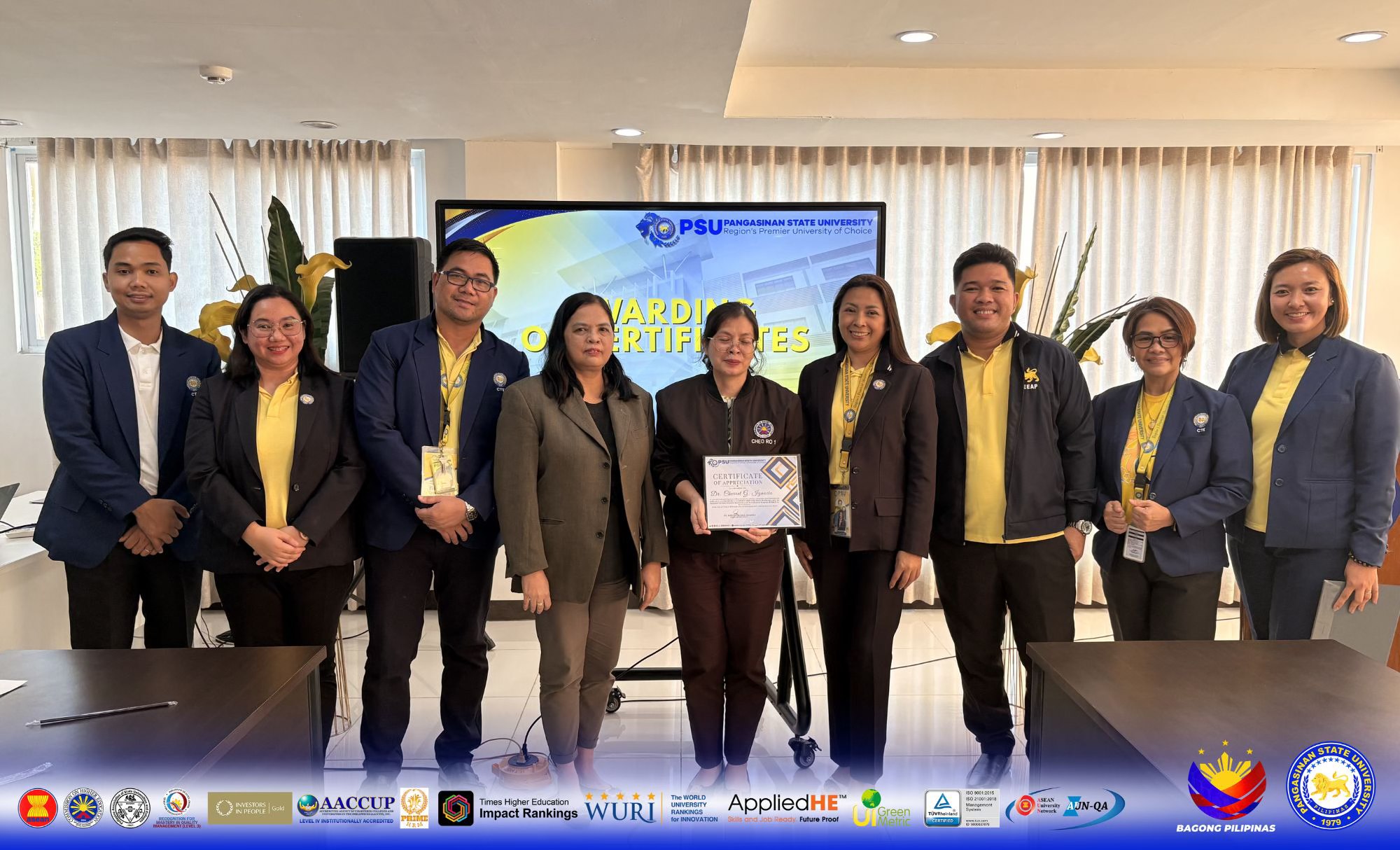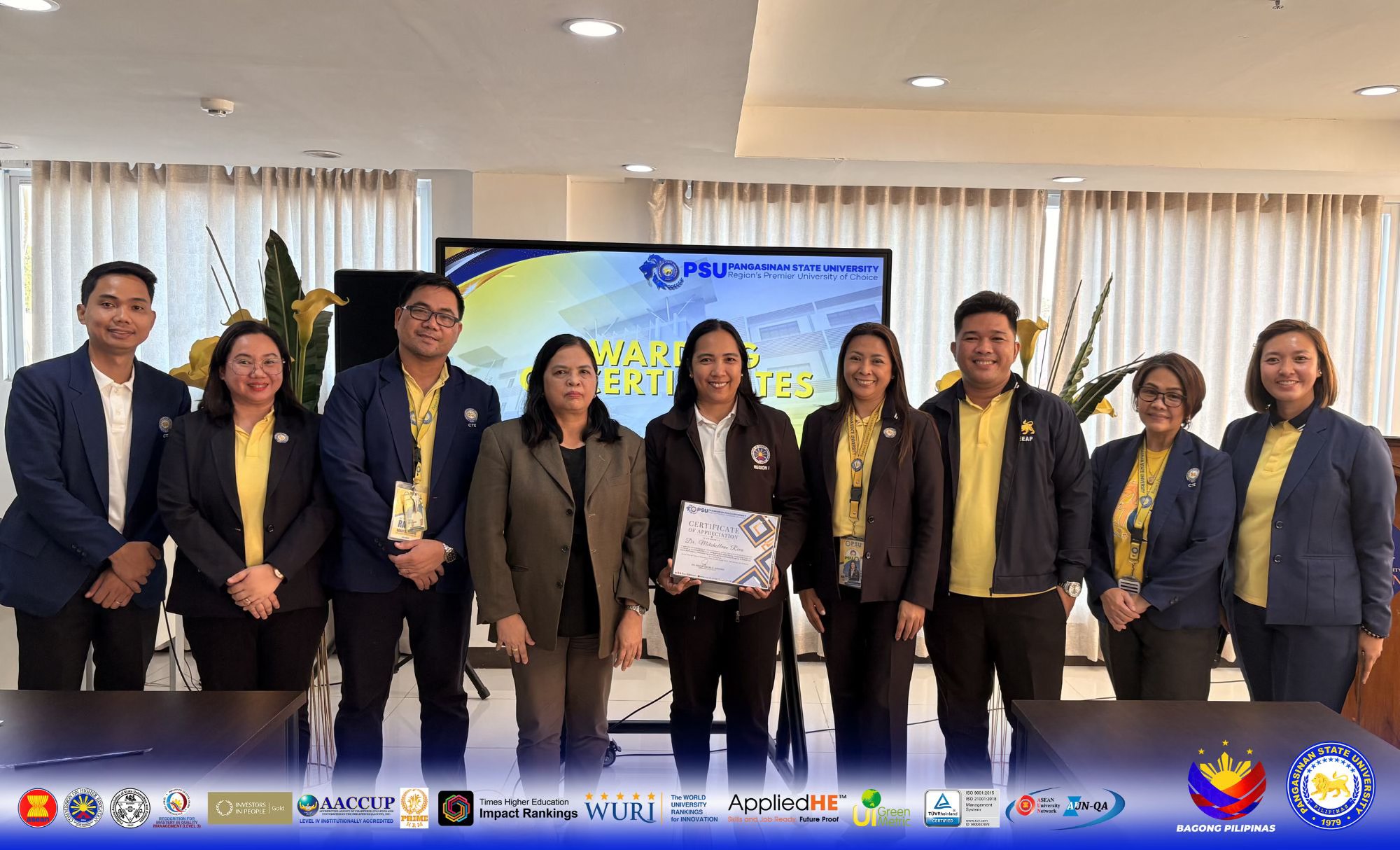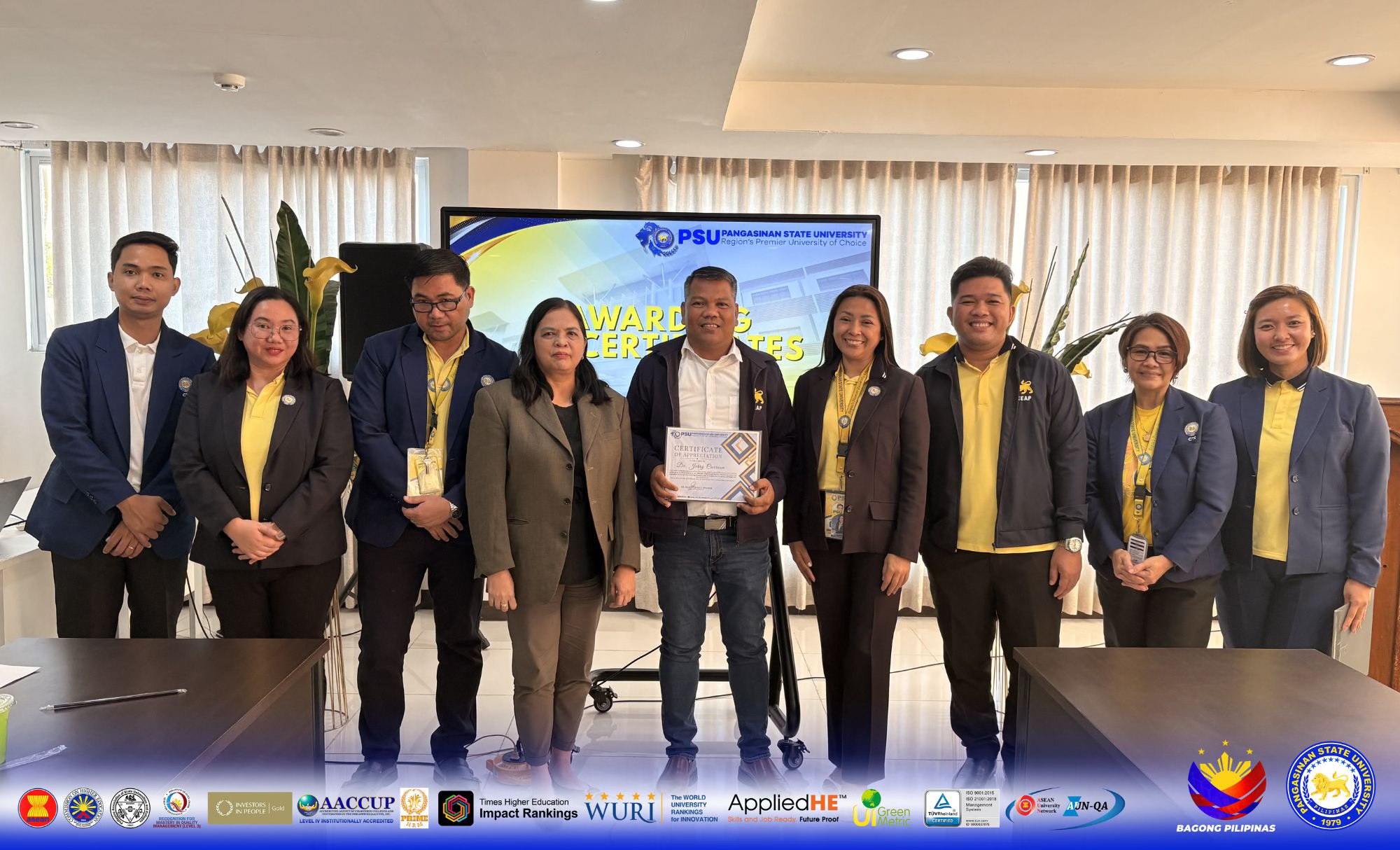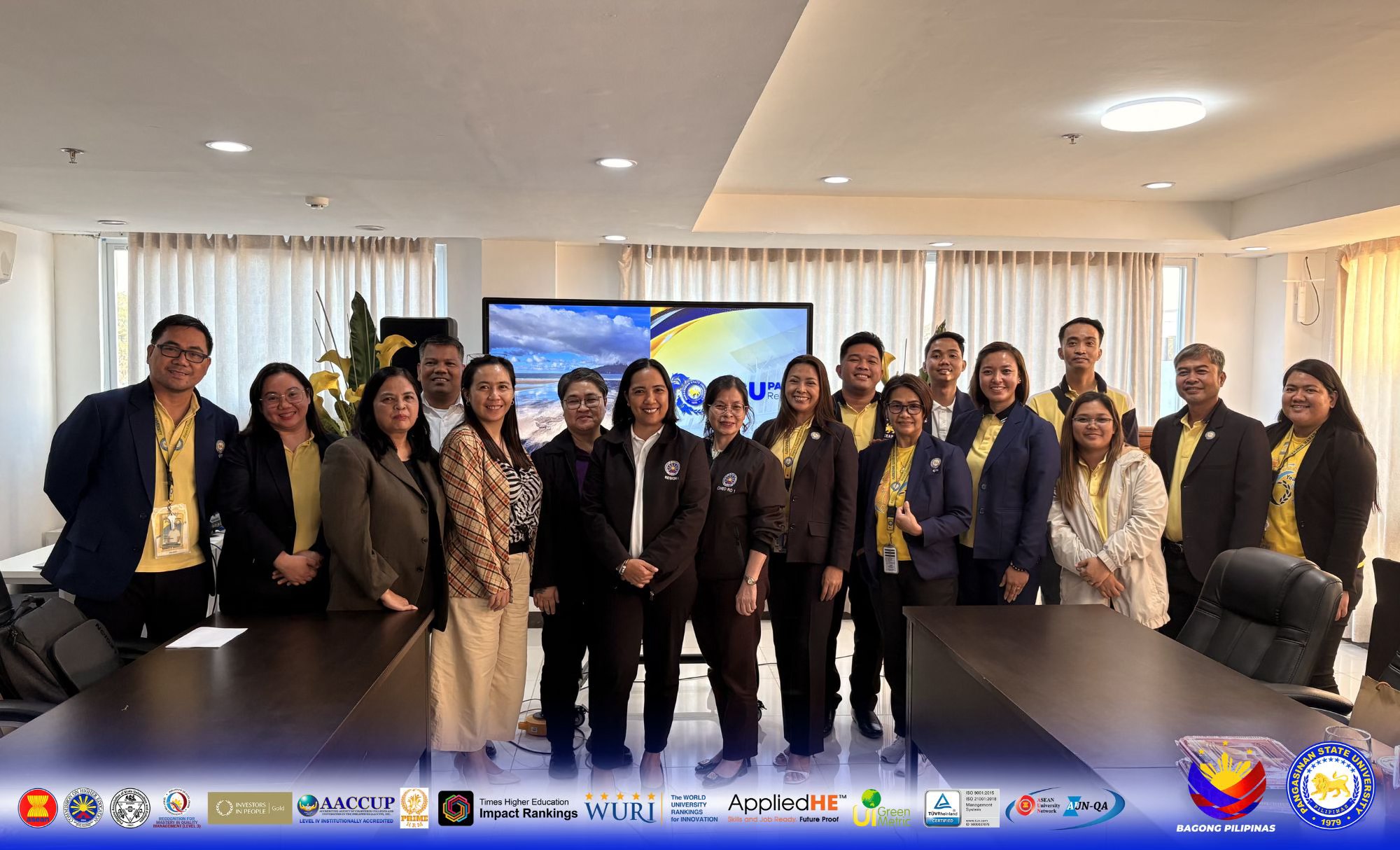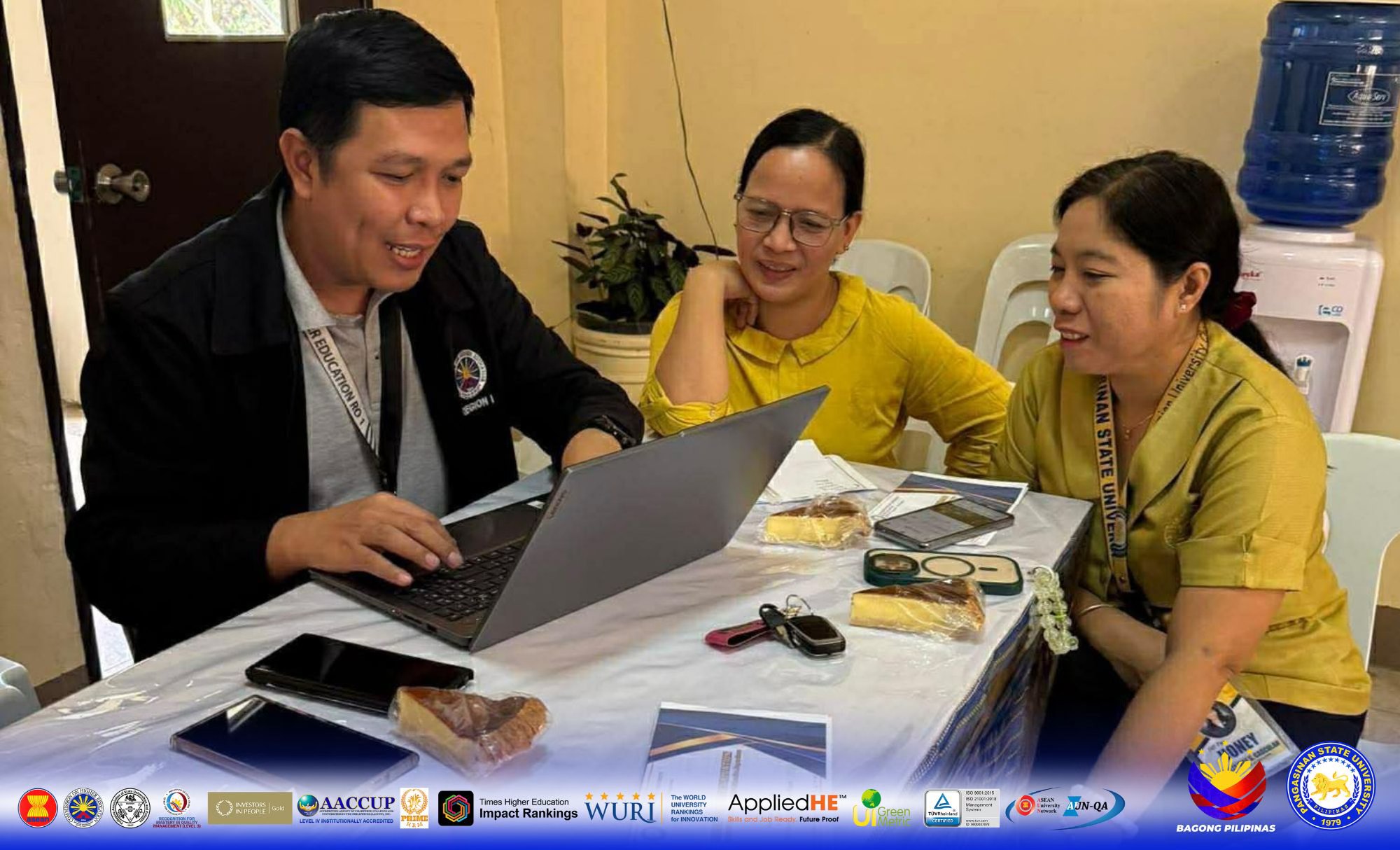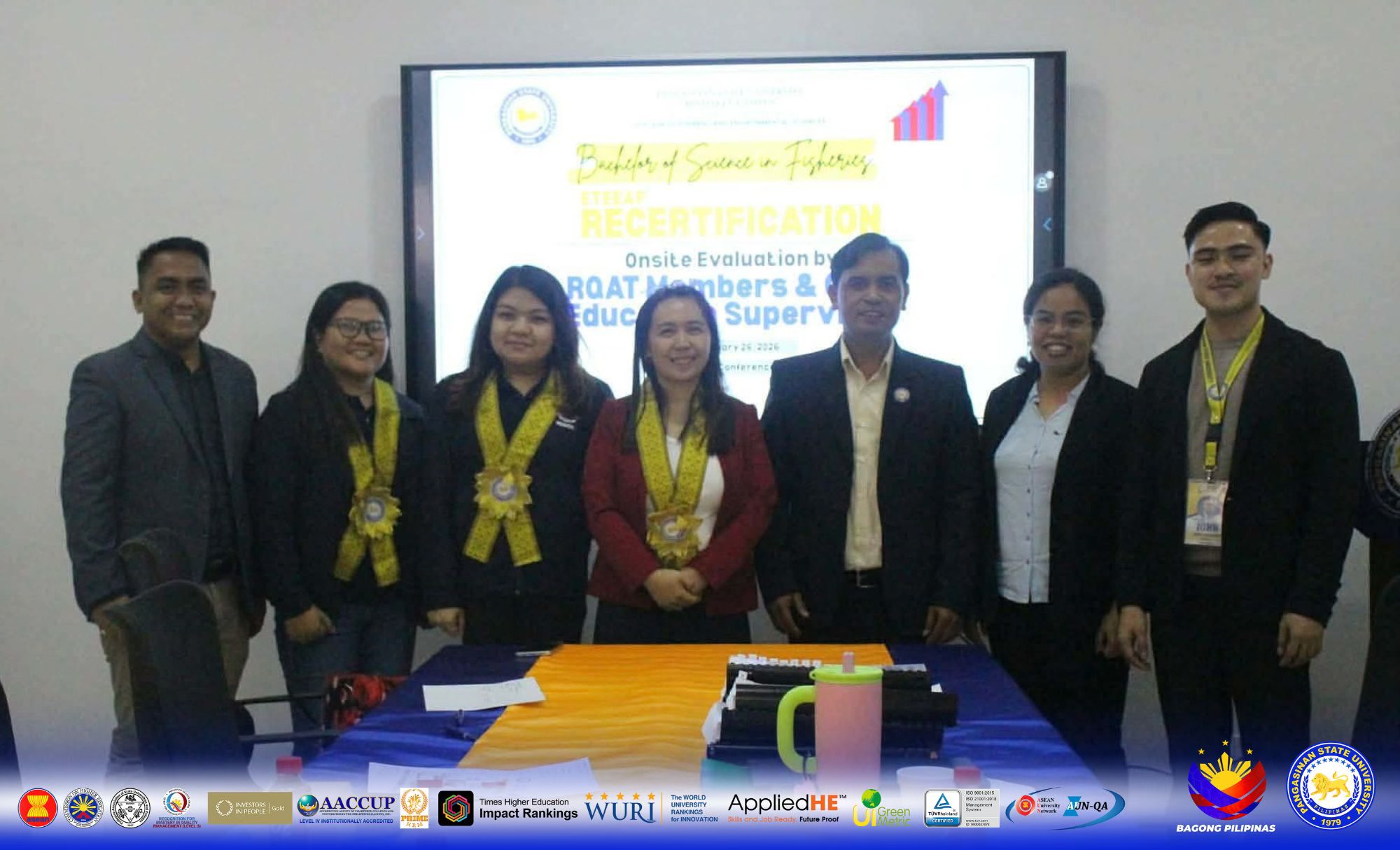
Ensuring that the curriculum for the Expanded Tertiary Education Equivalency and Accreditation Program (ETEEAP) remains aligned with current educational demands, PSU underwent re-certification in the said area.
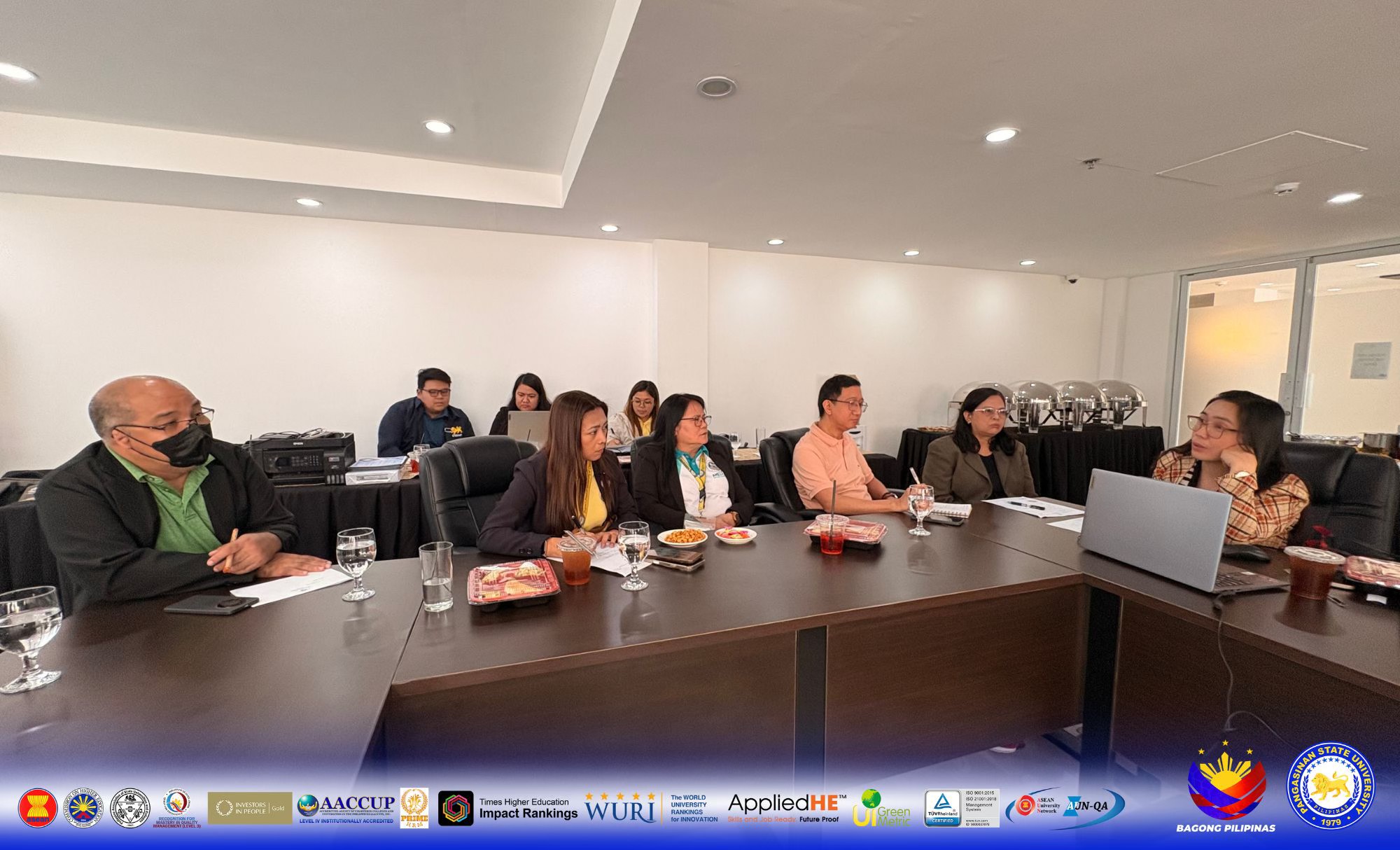
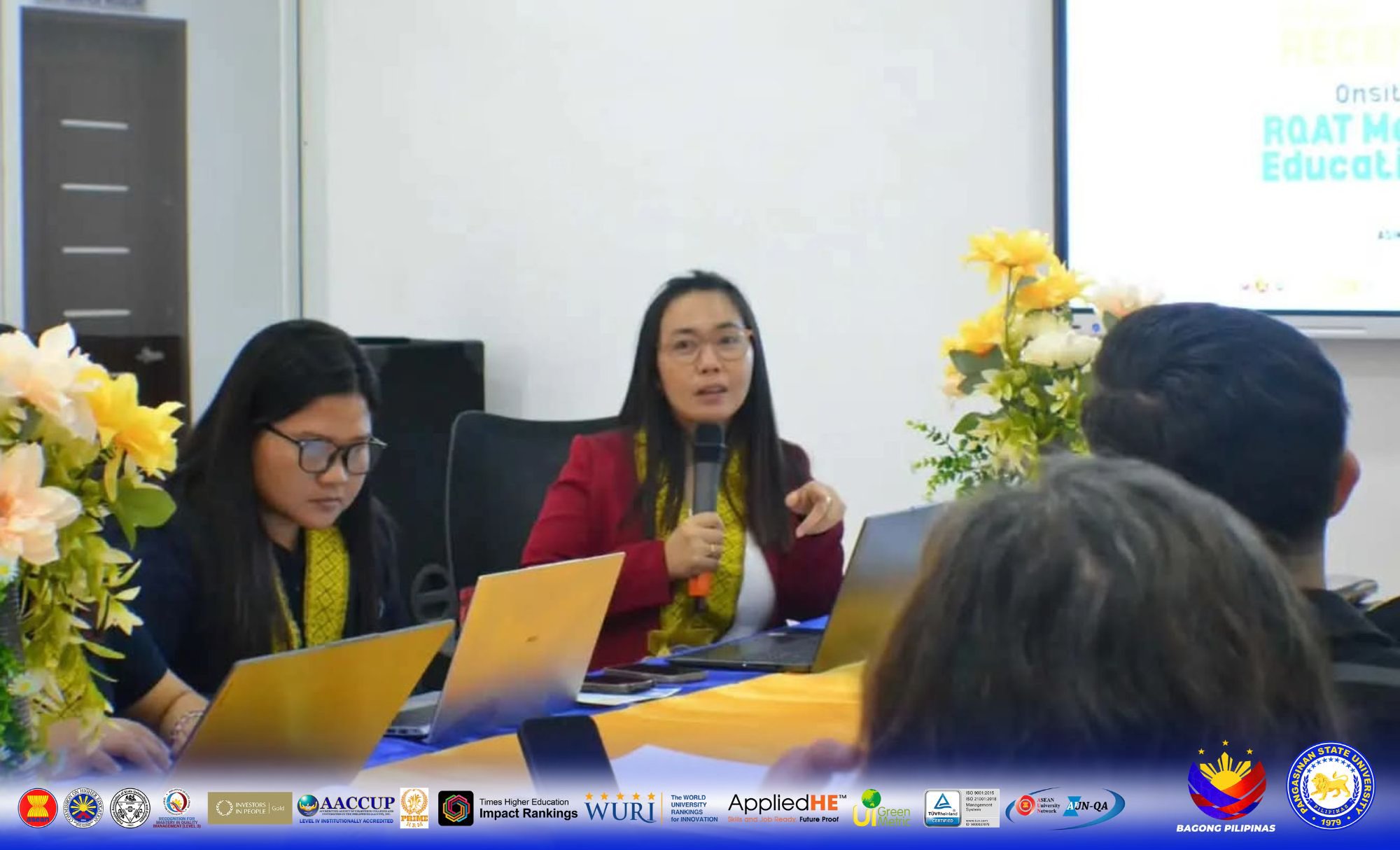
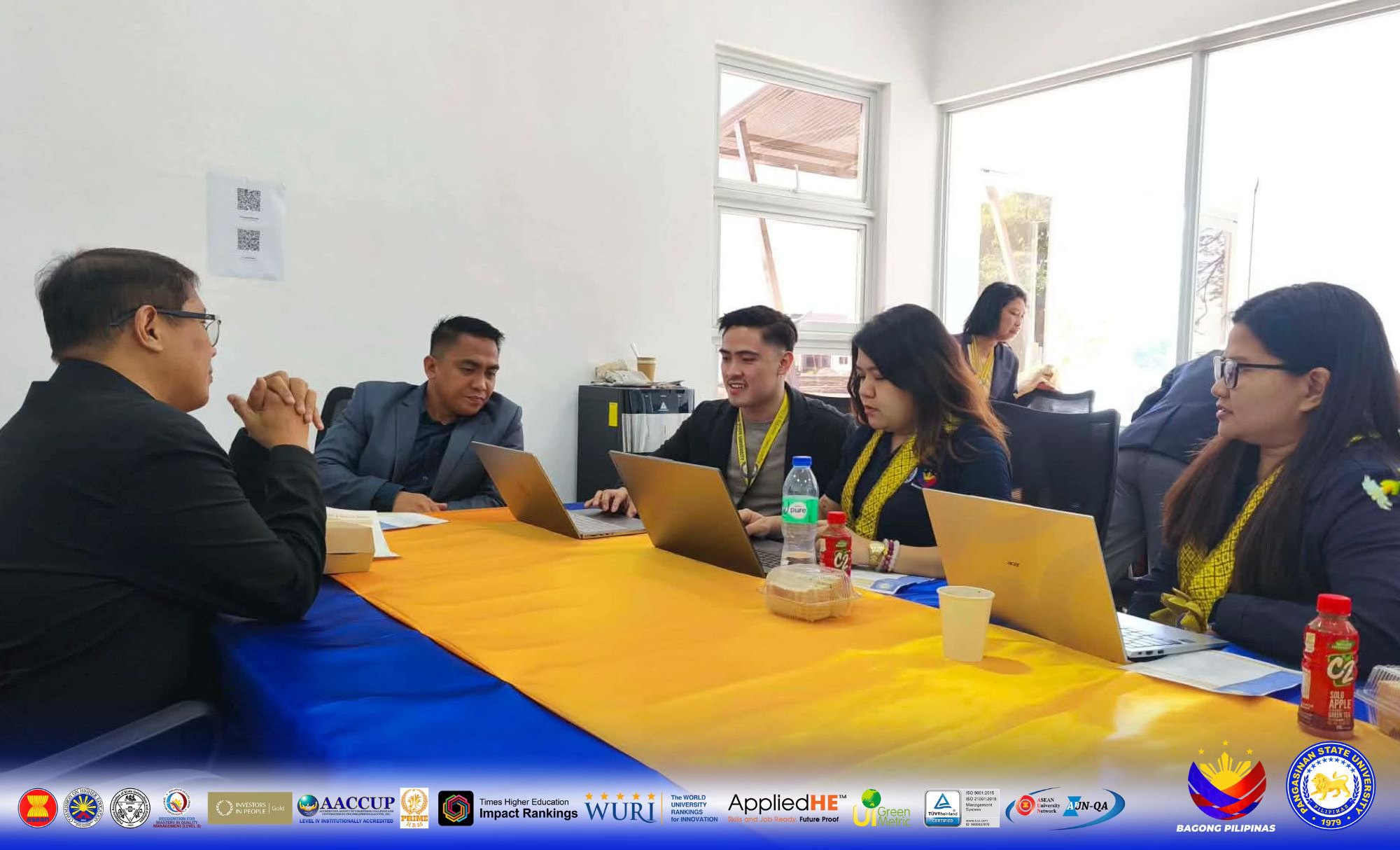
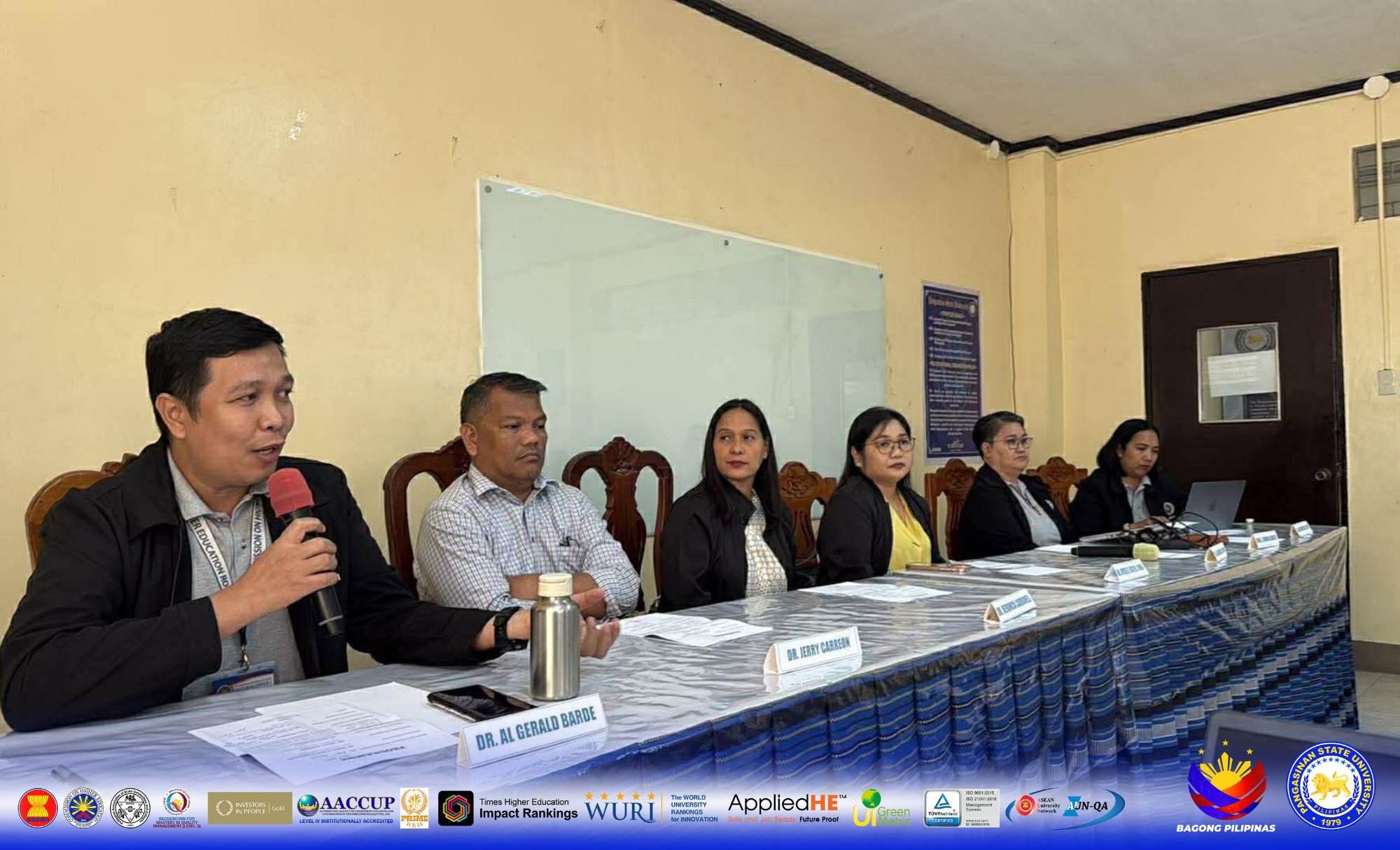
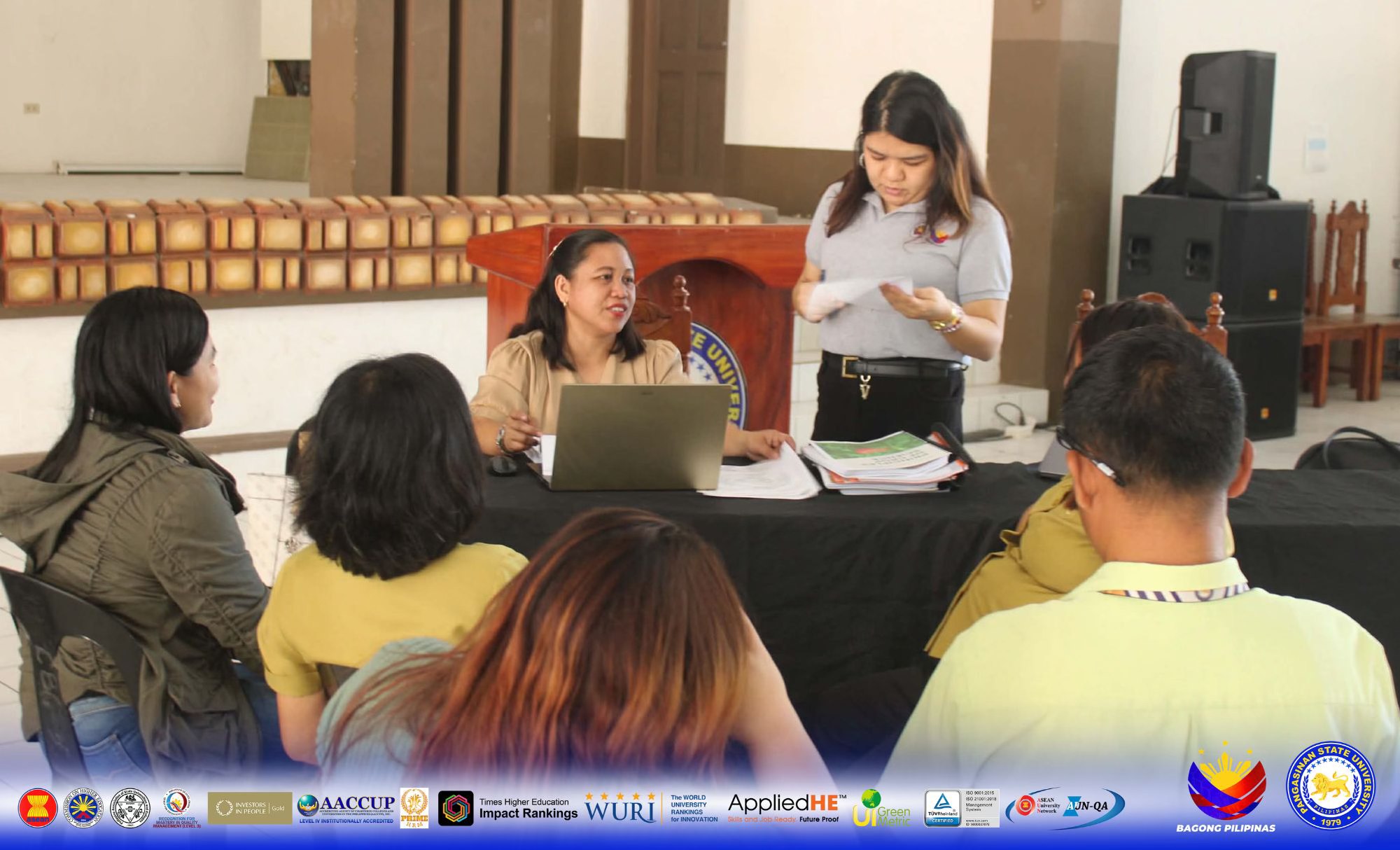
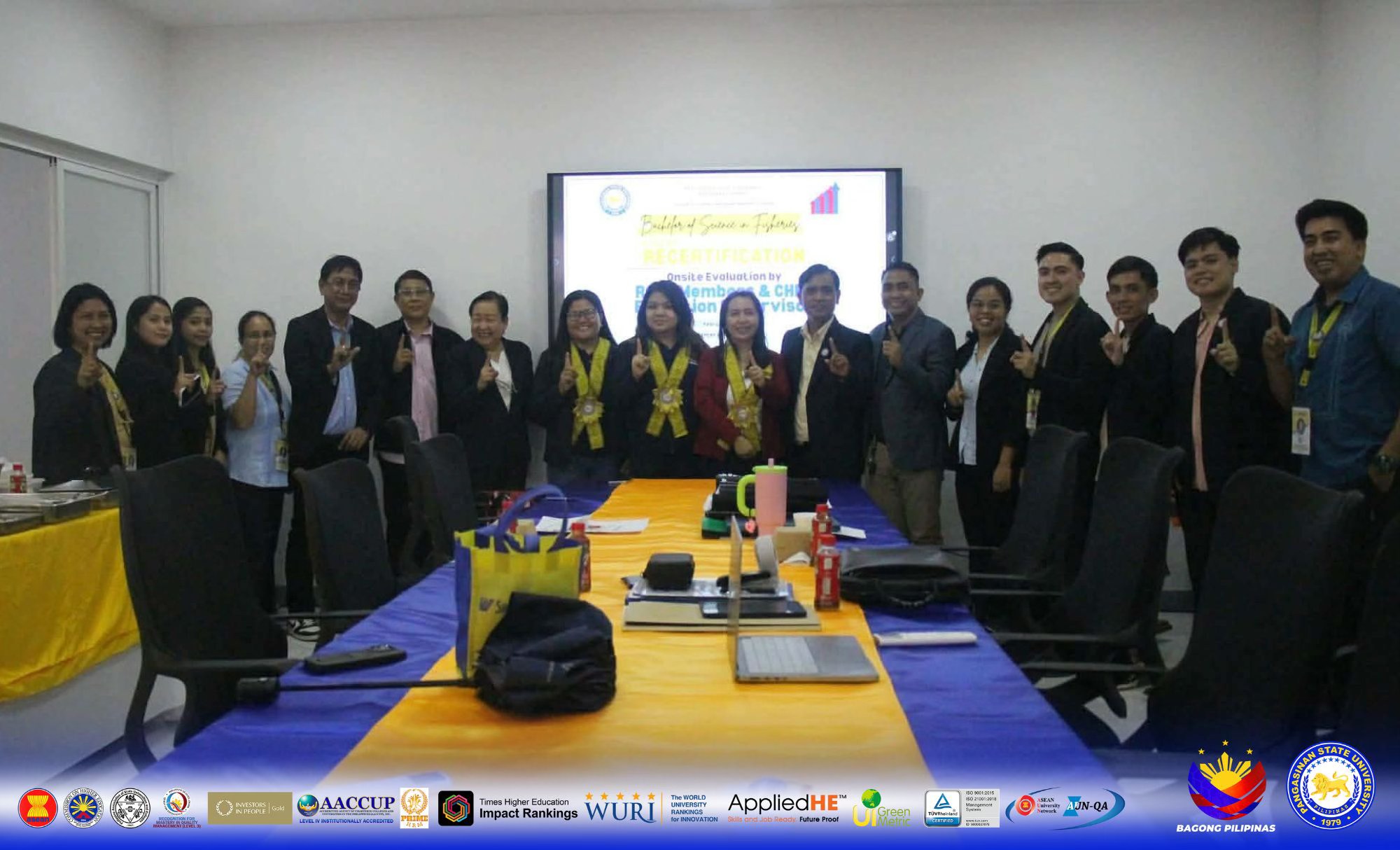
Degree programs across PSU campuses under ETEEAP welcomed the CHED Regional Office I – Regional Quality Assessment Team (RQAT) for an evaluation aimed at enhancing processes and operations, held from February 24–26, 2026, in various PSU campuses.
PSU President, Dr. Elbert M. Galas, shared a message on the rapid innovations in the academe and the role of ETEEAP in promoting accessible and quality education for all.
“We have produced graduates under the program since its implementation in 1998. Since then, we have maintained rigorous scrutiny of curricula, instructional materials and quality standards to ensure relevance to modern times,” President Galas said.
During the evaluation, policy-making, clustering of assessors, updates on instructional materials and manuals, budget allocation, and faculty honoraria were among the topics discussed.
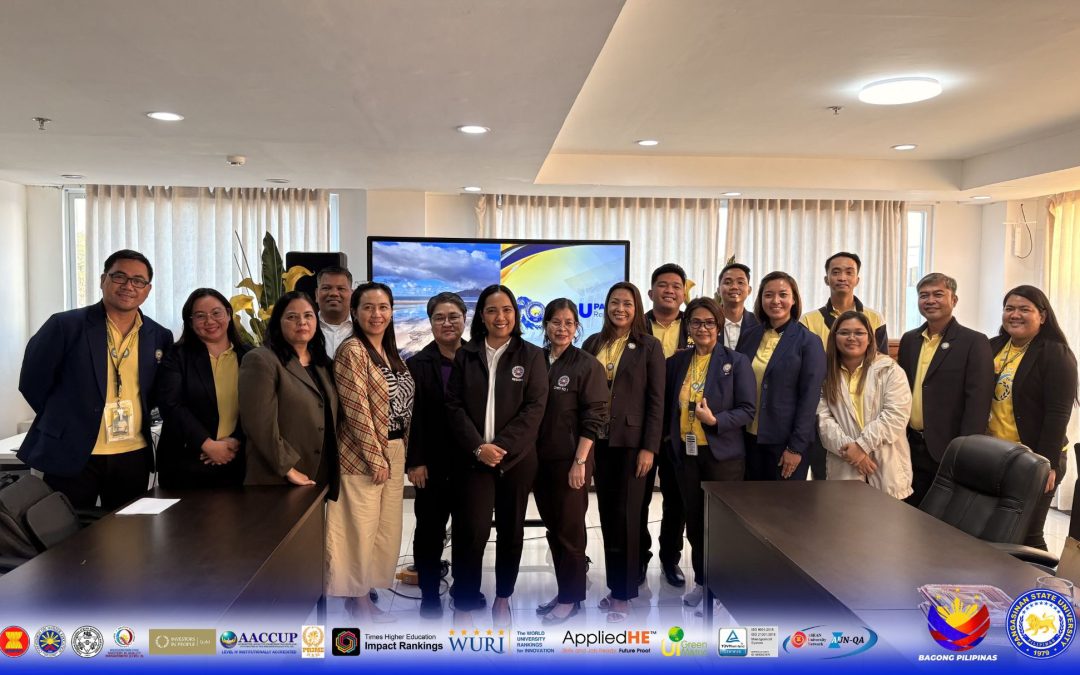
Vice President for Academic and Student Services Dr. Weenalie T. Fajardo, ETEEAP Director Dr. Cristie Marie Dalisay, University Accountant Dr. Rennie Martinez, and Campus Executive Director for Lingayen Dr. Marie Claire Briones welcomed the RQAT members at the PSU Golden Lion Hotel for the ETEEAP onsite visit and exit conference at the main campus.
Campus Executive Directors (CEDs), alongside deans, chairpersons, and faculty members offering ETEEAP, led the re-certification activities in their respective campuses: Asingan Campus on February 24; Sta. Maria and Bayambang Campuses on February 25; and Binmaley and Lingayen Campuses on February 26.
The RQAT, led by Dr. Myrelle Faith D. Mina together with CHED RO1 Education Supervisors, commended PSU as the most active implementer of ETEEAP in Region I in terms of number of enrollees.
At present, PSU offers the following degree programs under ETEEAP: Bachelor of Industrial Technology, Bachelor of Elementary Education, Bachelor of Secondary Education, Bachelor in Technology and Livelihood Education, Bachelor of Science in Agriculture, and Bachelor of Science in Fisheries.