As part of our academic journey in the course MAGD 207: Group Processing and Group Counseling, which we are taking during the second semester of the academic year 2024–2025, we were introduced to the importance of developing both the knowledge and practical skills necessary to facilitate effective group work. From the outset, our professor, Dr. Sheridan Manamtam, emphasized the pivotal role this course plays in shaping us as future counselors, particularly in our ability to lead group processing and counseling sessions. In line with this, we eagerly looked forward to an activity that would put our learning into practice—and the outreach program provided exactly that opportunity.
Our outreach program, designed as a developmental initiative, focused on the out-of-school youth of San Jacinto, Pangasinan. The goal was to raise awareness and build resilience in addressing generational issues that affect decision-making, identity development, and community engagement. As facilitators, we led focused group discussions
(FGDs) to help identify the root causes and contributing factors of the challenges that the participants face.
One of the highlights of the semester was our Outreach Program held on May 3, 2025, in San Jacinto, Pangasinan, where
we facilitated a group session for out-of-school youth aged 12 to 19 years old. All participants were members of the 4Ps program and were facing various life challenges, such as financial difficulties, single-parent households, bullying and early pregnancy.
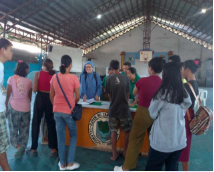
We prepared and arrived early at the venue to ensure everything was in place. The facilitators began their technical preparations at 7:30 AM and started admitting participants at exactly 8:00 AM. Before the program started, the participants registered their names on the attendance sheet headed by Mrs. Arlene Serrano, the committee for registration. The program formally commenced at exactly 9:00 AM with around 20 participants present. It all started lively with the help of the host, Mr. Hannani Tara. It started off with a prayer, preliminaries, a little introduction or overview of the outreach program’s whereabouts and the topics along with the corresponding speakers that was discussed by Ms. Abegail Bahala. After the overview and opening remarks, to set the mood, we had a short energizer to boost the crowd’s energy where we performed a zumba dance which was led by Ms. Angelia Eren De Guzman.
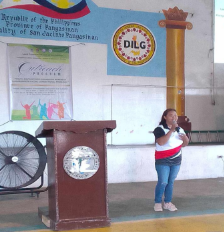
The first speaker was Mr. Johnkris Tulabot who immediately shifted the energy and engagement level of the group. He began his talk by interacting with the participants, asking questions and encouraging them to share, which helped break the ice and ease the nervousness among the youth. His warm and interactive approach positively changed the mood of the program, making it more open, engaging and collaborative.
Following his talk, we conducted a Focused Group Discussion (FGD). The participants were asked to divide themselves into five small groups, with each group facilitated by us. During the FGD, we guided them through the first major activity:
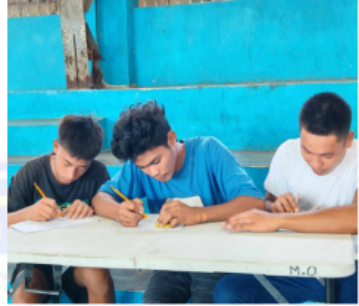
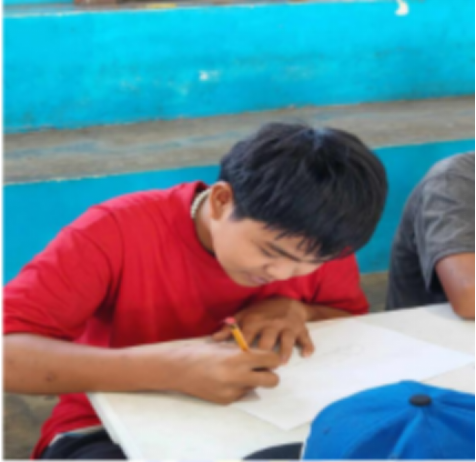
“Draw Yourself Someday” – an expressive, creative task designed to help the youth visualize their dreams, goals, and future selves. This activity will serve as a gentle reminder to our clients that they are still young and that the future lies ahead of them, full of hope and possibility. It encouraged them to envision who they want to become, to dream again, and to reflect on the goals they can strive for. Through drawing, they were able to express their aspirations in a simple yet meaningful way. It was a moment of self-discovery and empowerment, reminding them that their lives have purpose and potential no matter their present circumstances.
The next activity presenter was Mr. Frederick Avila , who led the reflective writing session:
“Letter to Your Past, Present, and Future Self” – where participants were encouraged to reflect on their life journey, acknowledges their growth and foster hope for the future. This activity provided a space for personal healing, self awareness, and motivation as they expressed their struggles, progress, and future dreams in letter form.
After the discussion of all the speakers, the host requested for picture taking as documentation before the question and answer portion, and clarifications regarding the topics discussed. These discussions not only offered meaningful insights into youth concerns but also gave us valuable, hands-on experience in applying group processing and counseling concepts in a real-world context. Then Dr. Cayabyab addressed her closing remarks with a warm giving of appreciation and salutation to all the participants, hosting LGU, and all the facilitators of the activity. At the end part of the program, while the participants were asked to answer the evaluation form, there were participants who actually talked with the facilitators and shared their experience.