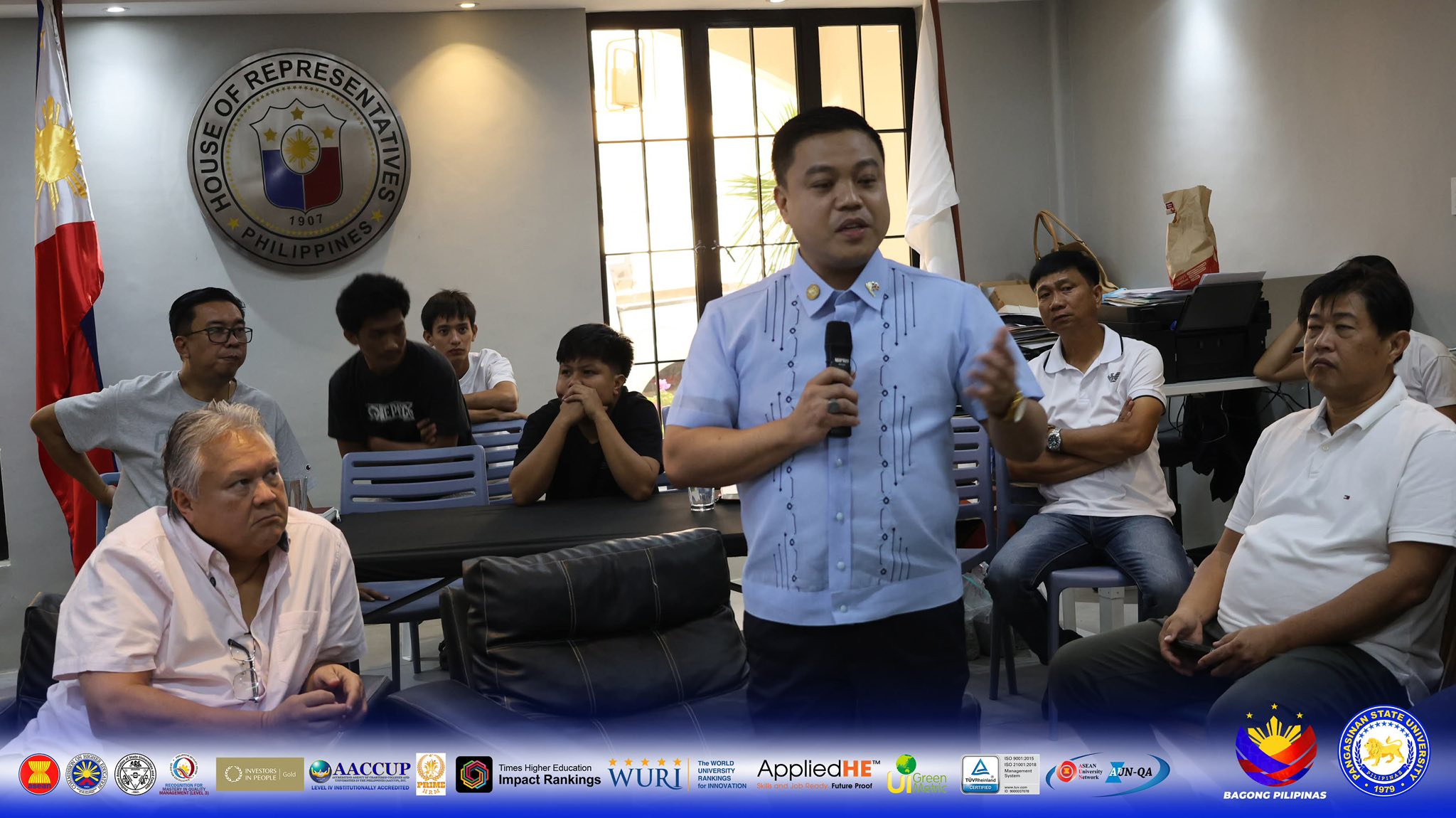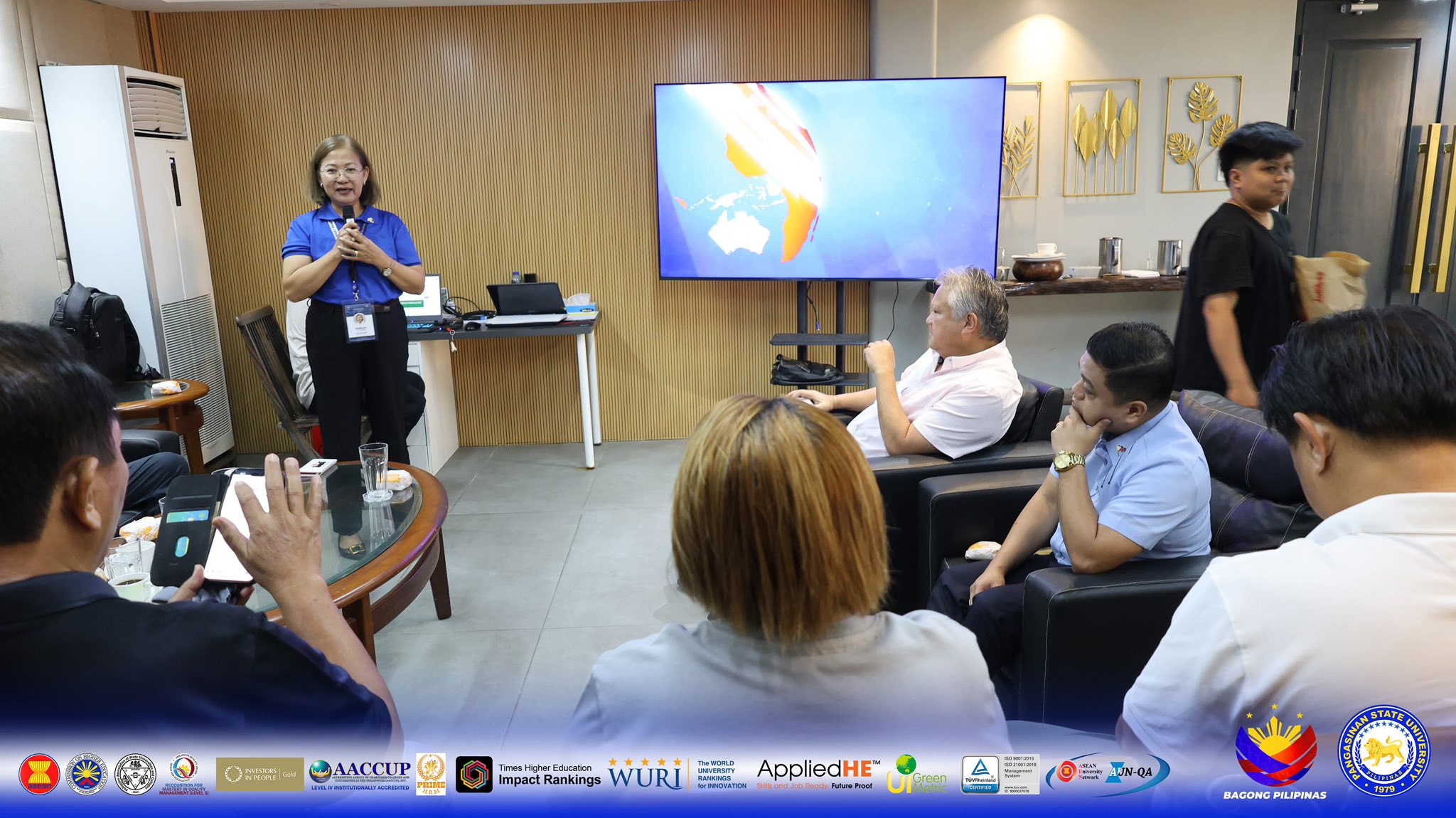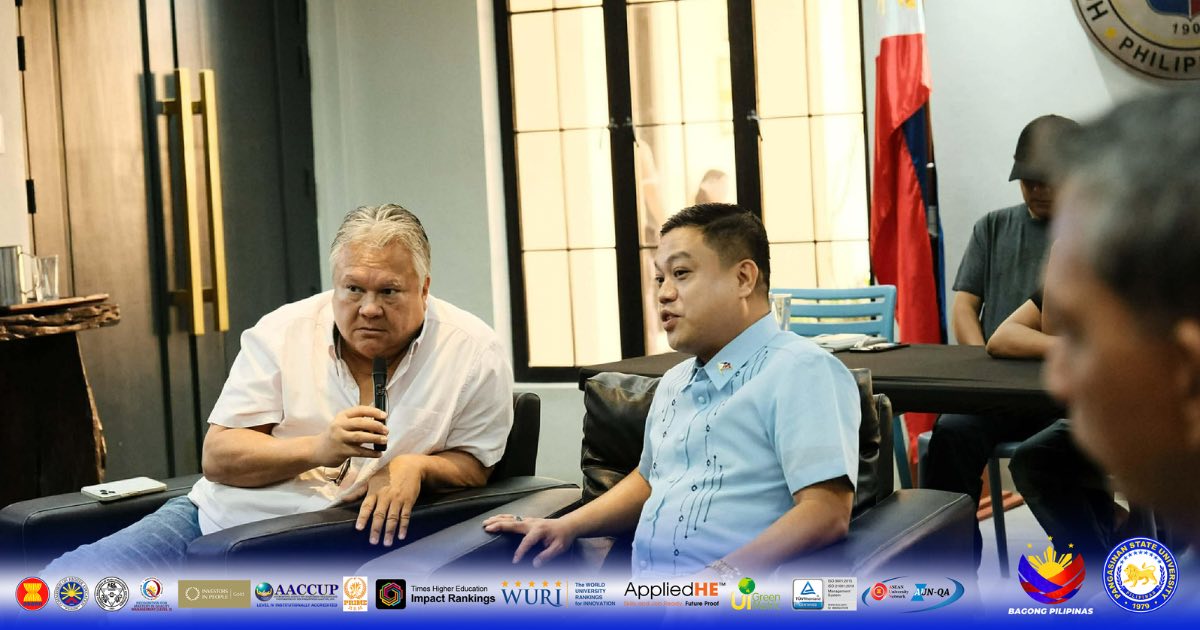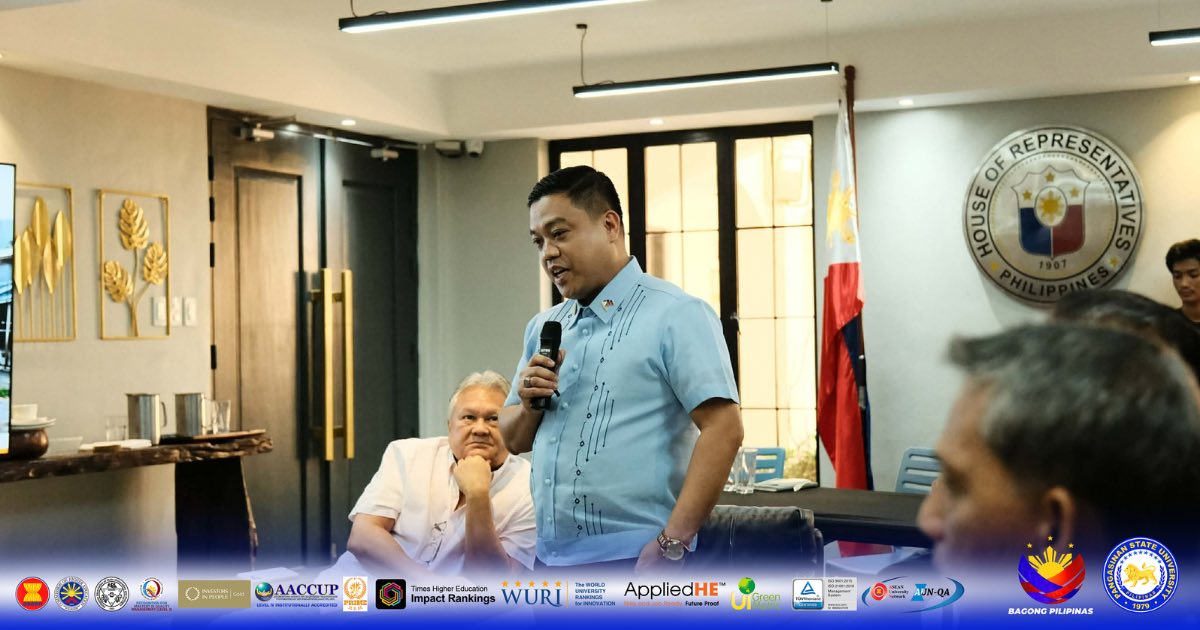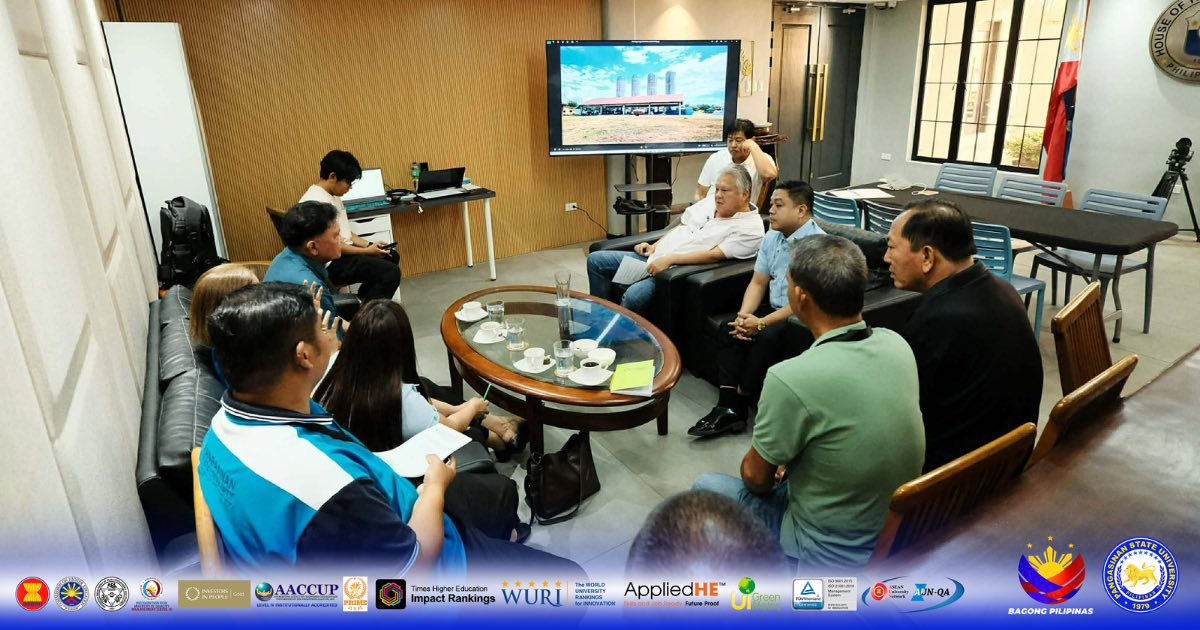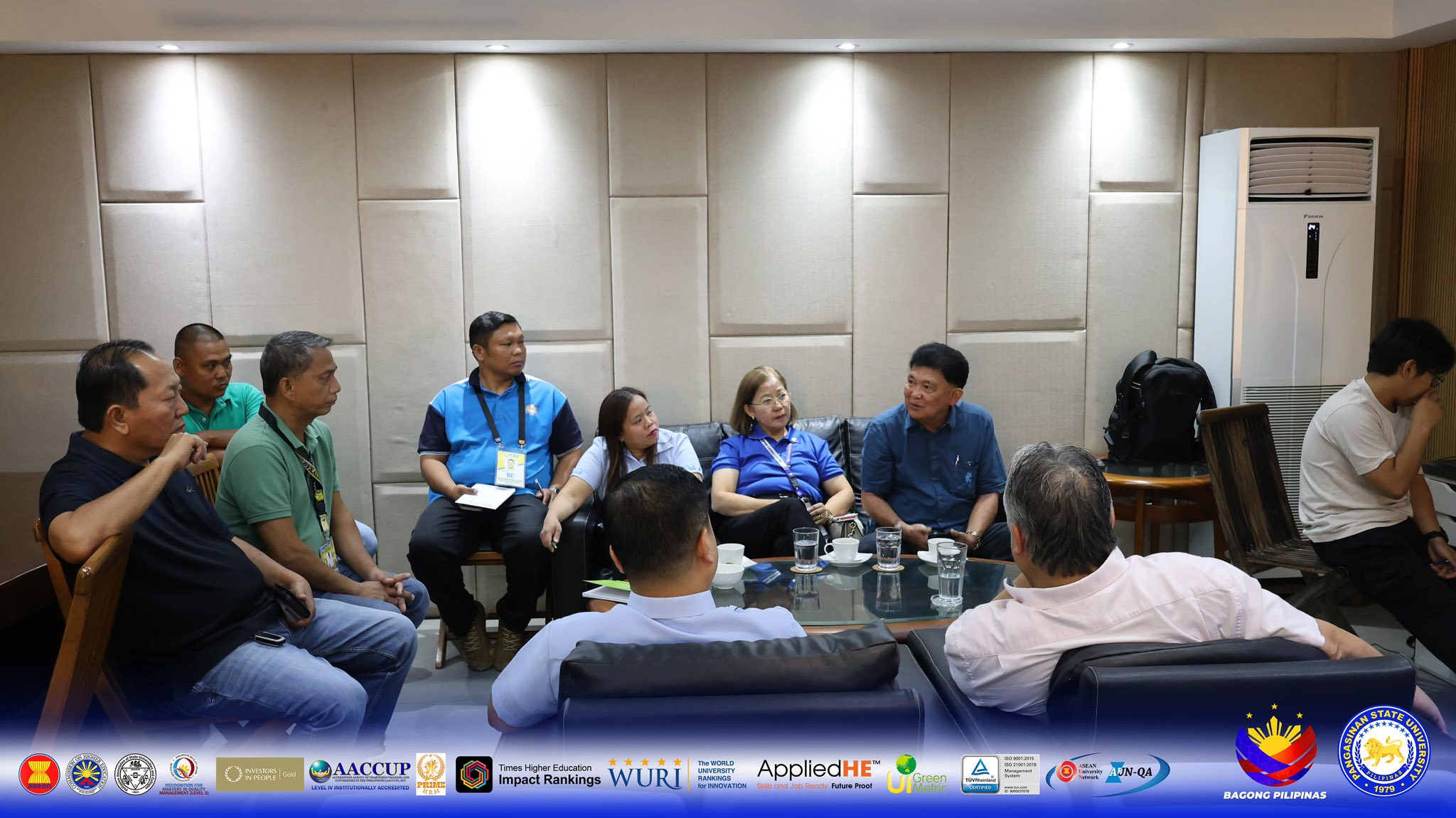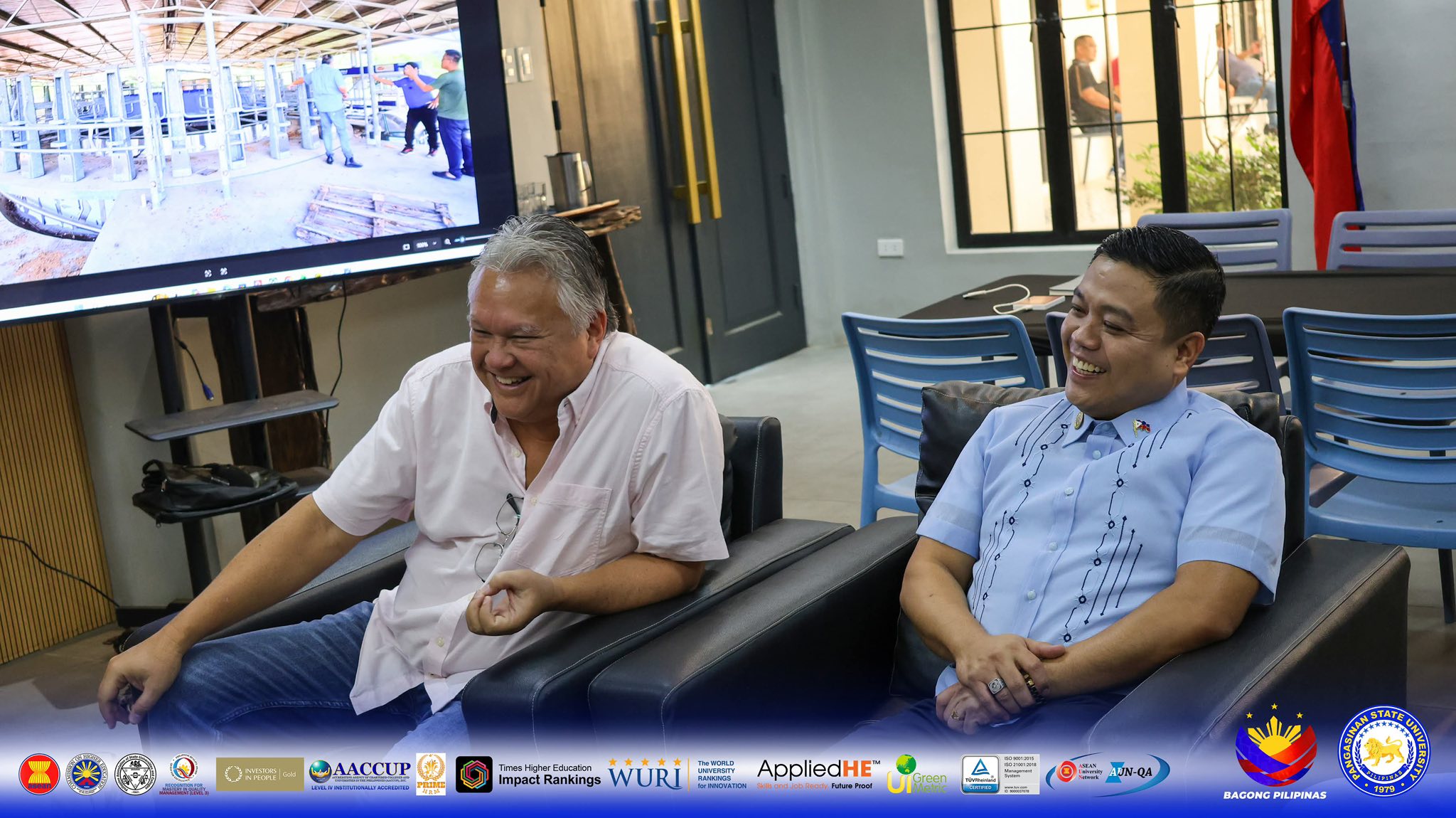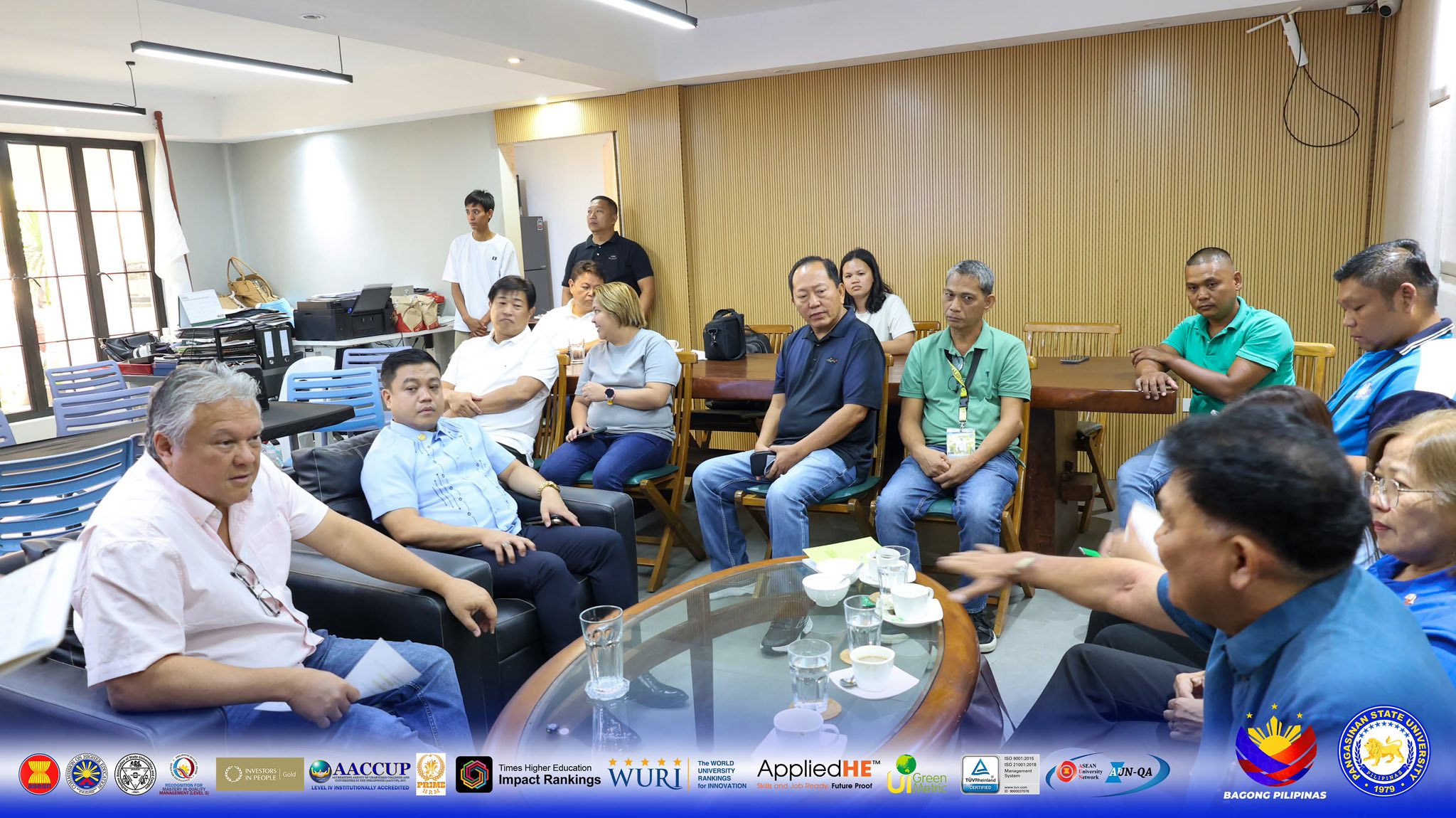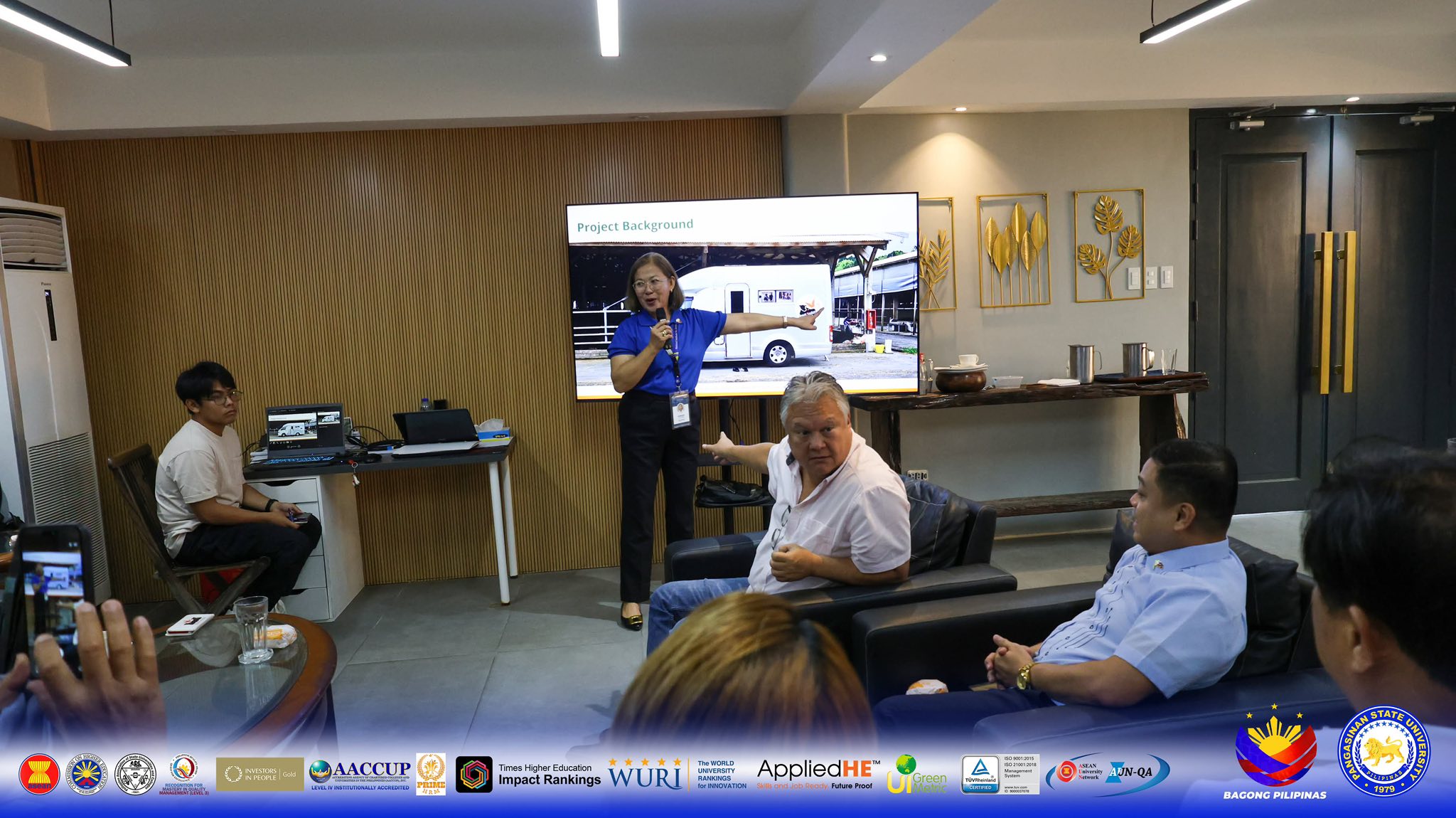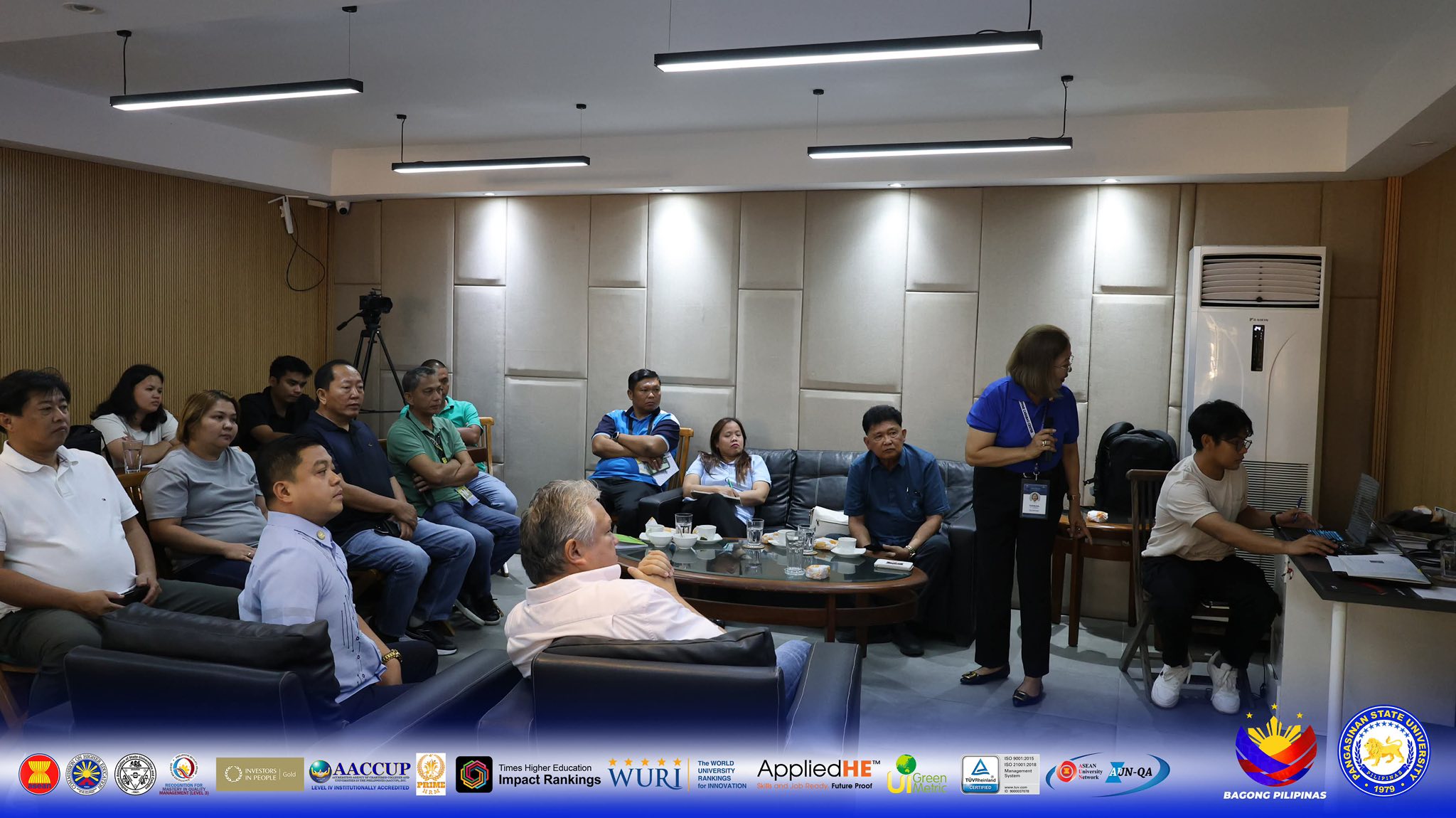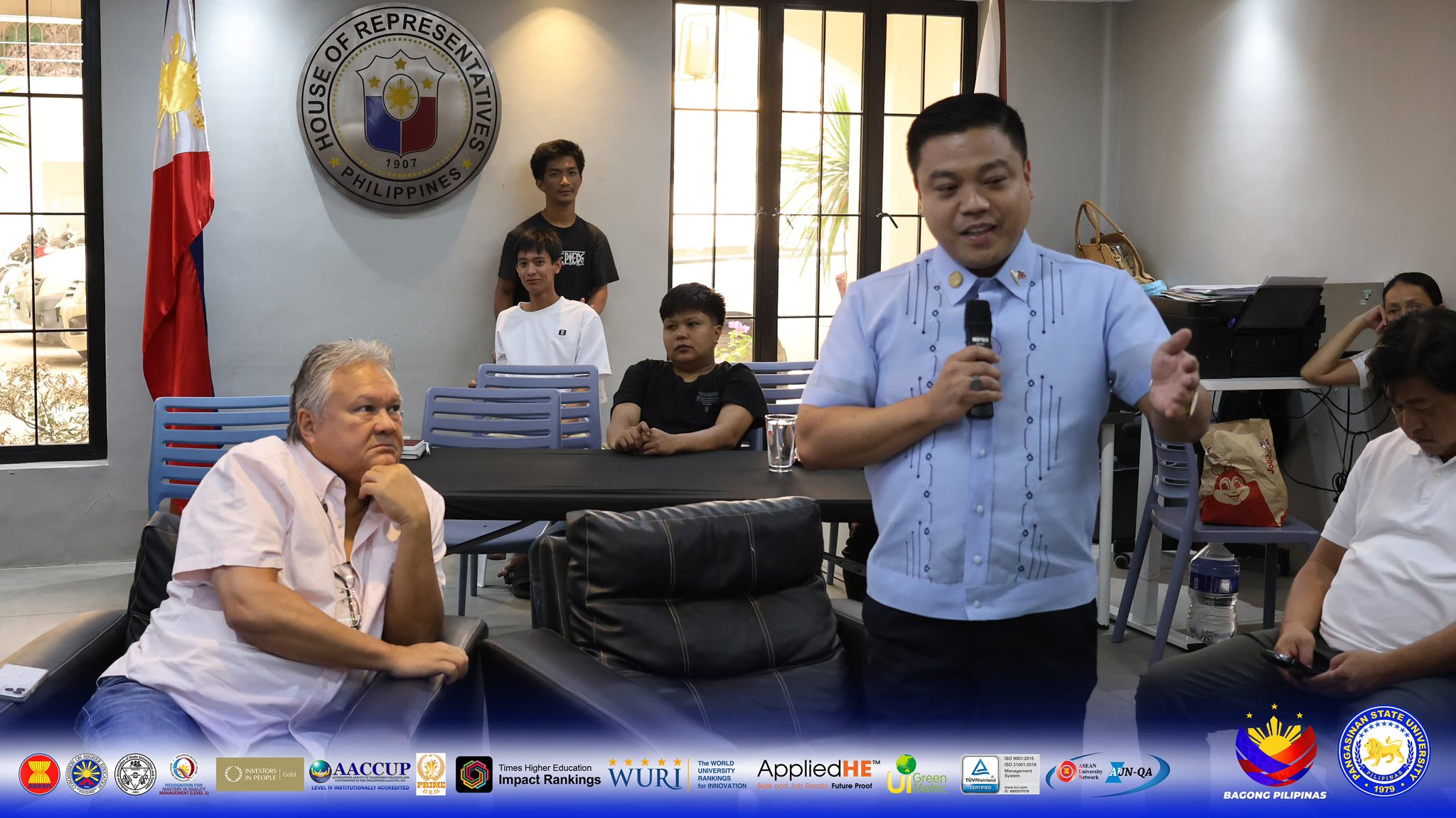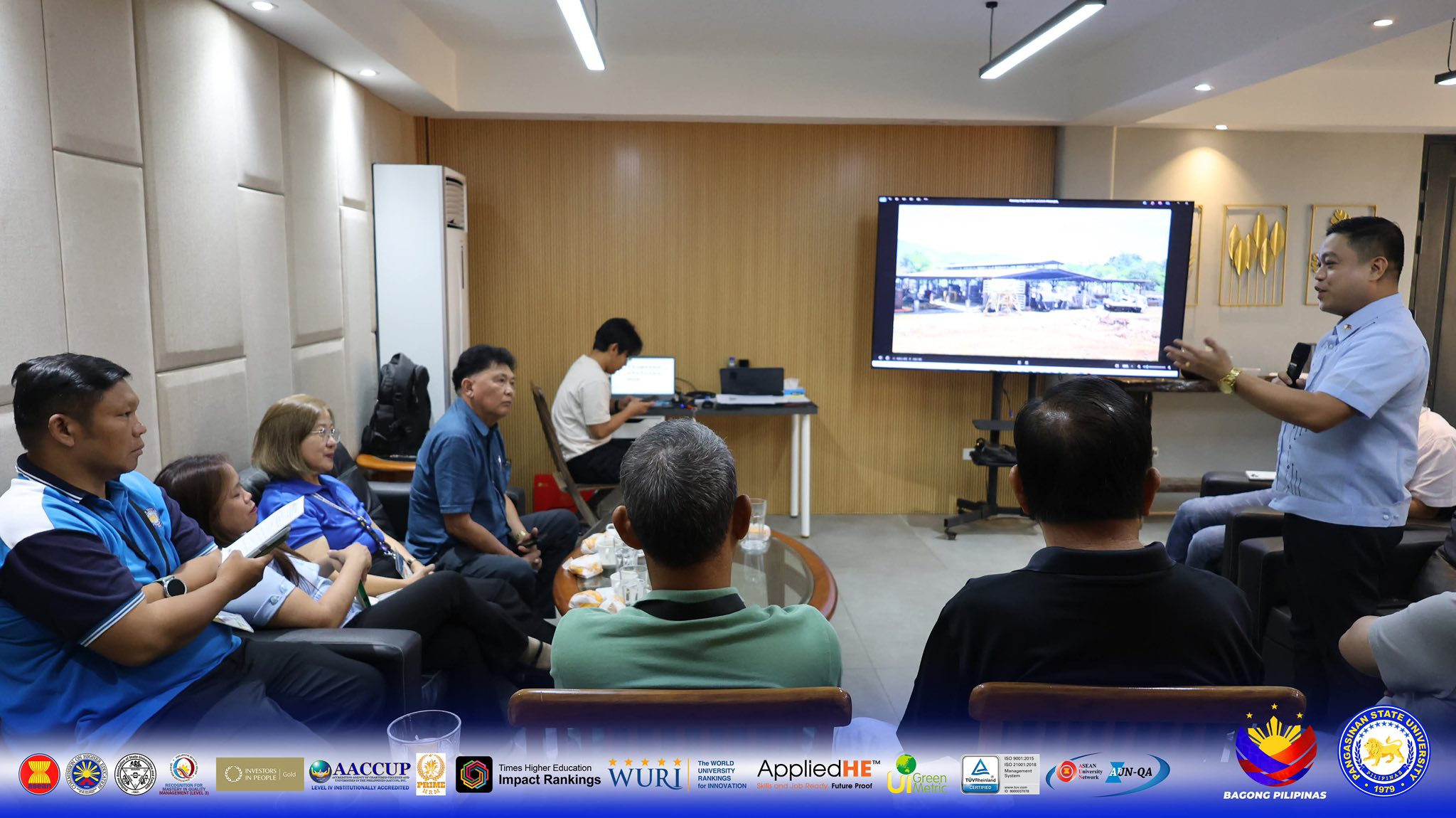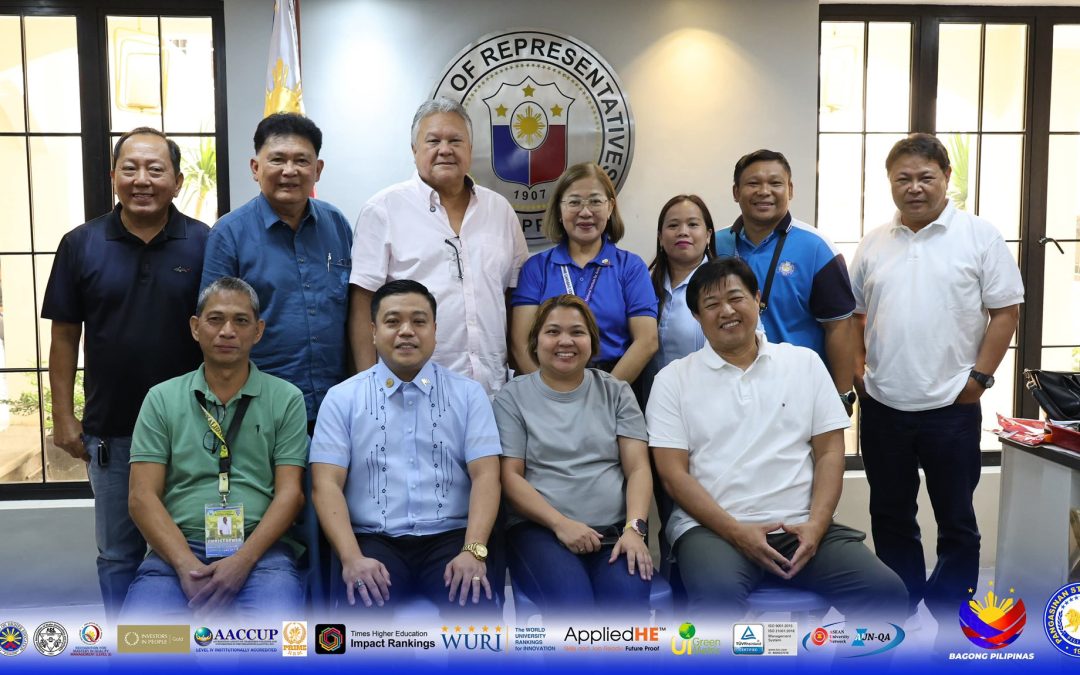
At the initiative of 2nd District Representative Hon. Congressman Mark Cojuangco, Pangasinan launches a bid to modernize its livestock industry through advanced biotechnology, as he convenes scientists from the Philippine Carabao Center, Pangasinan State University, municipal mayors, and technical experts for a strategic meeting on Embryo Transfer Technology at his District Office in Lingayen, April 15, 2026.
Called into action by Rep. Cojuangco, this meeting kick-starts a critical juncture in the province’s agricultural development, mobilizing science, academia, legislation, and local governance in an unprecedented coalition aimed at transforming traditional livestock raising into a high-tech, high-yield industry.
PSU President Dr. Elbert M. Galas, in a privilege speech, expressed his gratitude to Cong. Cojuangco for his continuous support. He also strongly appealed for the establishment of a dedicated research and development center for animal reproductive biotechnology, emphasizing PSU’s capacity to serve as a national research and development center/hub for innovation, citing initiatives such as the Salt R&D Center at the Binmaley Campus, Technology Business Incubation for Food System Solutions at PSU Bayambang, and the Bamboo Textile Fiber Innovation Hub in Lingayen.
“PSU’s expertise in agriculture and agribusiness management will be invaluable in maximizing the impact of this technology in our province,” Rep. Cojuangco said in response to Dr. Galas.
At the center of the discussion is Embryo Transfer Technology—a reproductive biotechnology that enables superior female carabaos and or cattle to produce multiple offspring annually rather than one every two years through natural breeding. The PCC has perfected this method, but scaling it requires coordinated implementation across multiple sectors.
Answering Rep. Cojuangco’s call, the effort constructs an implementation ecosystem: Dr. Danilda H. Duran, Senior Agriculturist/Scientist and Dr. Peregrino G. Duran, Scientist from the Philippine Carabao Center, provide the technology, genetic materials, and technical expertise; Pangasinan State University, through the College of Agribusiness Management led by Dean Prof. Jennifer E. Gangan, Animal Project In-charge with Dr. Renee Christopher C. Cacho, Faculty and Animal Project In-charge at PSU Sta. Maria Campus, designs training programs, monitors outcomes, and handles on-ground implementation; municipal mayors, mobilized by the Congressman’s initiative, ensure local ownership, farmer selection, and extension support; and Rep. Cojuangco’s office facilitates budget coordination and policy alignment.
The Philippines faces persistent challenges in protein sufficiency and rural poverty. Cattle and buffaloes remain central to both—as sources of milk, meat, and draft power, and as assets for smallholder farmers. Improving their genetics directly impacts milk and meat production per animal.
The challenge with Embryo Transfer Technology has not been its scientific viability—the PCC has demonstrated that—but adoption at scale. This requires farmer education, veterinary capacity at the municipal level, sustained funding and monitoring, and integration into local development plans.
The presence of municipal mayors, convened by Rep. Cojuangco, is the strategic answer to these barriers, as they control local agriculture budgets, extension worker deployment, and community mobilization.
If successful, this multi-sectoral model—spearheaded by the 2nd District Representative’s initiative—could offer a blueprint for agricultural modernization beyond Pangasinan—showing how national science agencies can decentralize innovation, state universities can serve as implementation bridges, legislators can catalyze collaboration, and local governments can lead technology adoption.
Today’s meeting is where that test begins in earnest.
#PangasinanDevelopment
#BiotechAgri
#LivestockInnovation